The risk of the US-Iran conflict escalating into a broader regional war intensified on Monday after the United States carried out a ninth consecutive night of strikes on Iranian targets, prompting fresh missile attacks by Tehran and raising fears that diplomacy may be losing ground to military confrontation.
US President Donald Trump said Iran had been hit "very hard" after overnight strikes, while explosions were reported across several parts of Iran early Monday.
The latest exchange came despite repeated diplomatic overtures from Washington, underscoring the growing danger of a prolonged conflict that could engulf the wider Middle East.
The escalating violence has been accompanied by rising military casualties. The US military confirmed the death of another American service member in northern Iraq during the controlled detonation of a downed Iranian drone.
Separately, US Central Command (CENTCOM) said it had located unidentified remains in Jordan following an earlier Iranian attack that killed two US troops and left another missing.
The latest death brings the number of American military personnel killed during the nearly five-month conflict to 17.
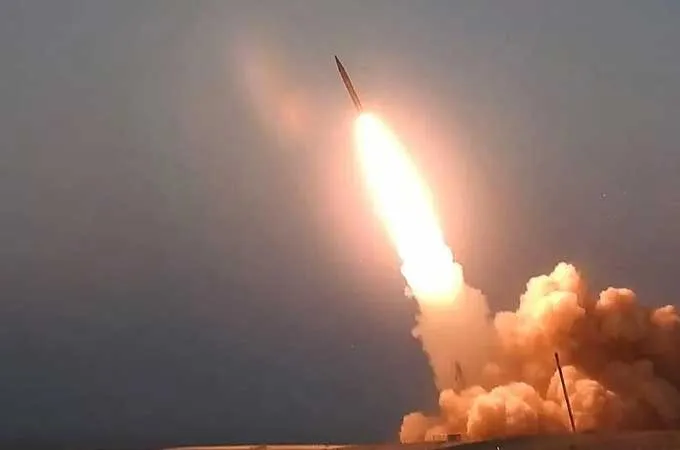
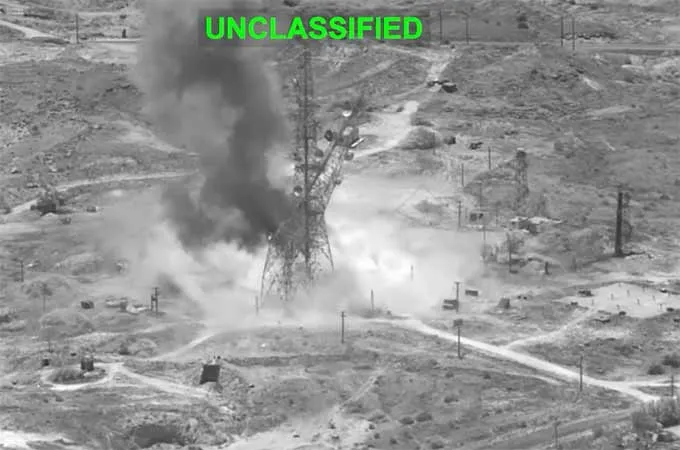
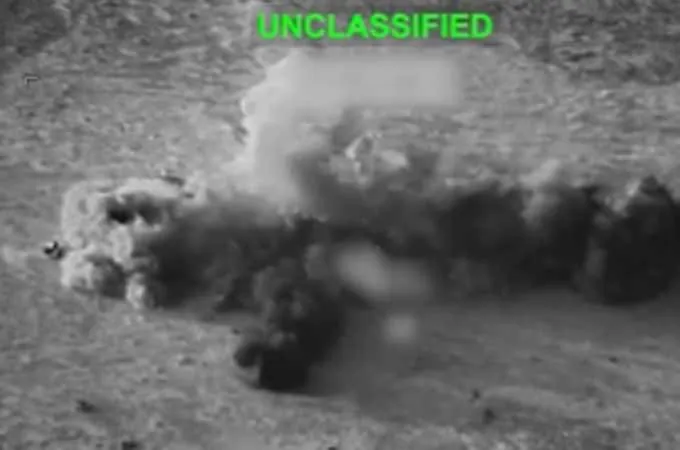
The latest US strikes targeted Iranian military command centres, air defence systems, coastal surveillance facilities, maritime assets, missile and drone launch sites, and communications networks, according to CENTCOM. Shortly afterwards, Iran launched another wave of missiles against what state media described as "enemy targets."
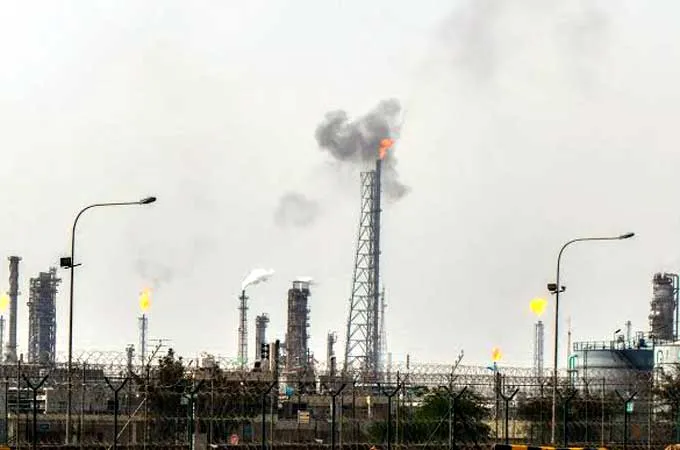
Kuwaiti officials said a power generation and desalination plant came under attack for the second consecutive day, while air defence systems in Jordan and Bahrain intercepted incoming projectiles.
In Bahrain, the US Embassy warned that Iran could target unspecified locations in central Manama and urged American citizens to remain vigilant. Air raid sirens were heard across parts of the kingdom several hours before the warning was issued.
Vessel on fire in Strait
Maritime security concerns also intensified around the Strait of Hormuz, a vital global energy shipping route. The UK Maritime Trade Operations (UKMTO) said it had received reports of a vessel on fire off the northern coast of Oman near the strait, although the cause remained unverified.
Iran's Islamic Revolutionary Guard Corps (IRGC) claimed that two "non-compliant" tankers had been targeted after attempting to use the southern shipping route through Omani waters.
Despite the continuing military exchanges, US Secretary of State Marco Rubio said Washington remains willing to pursue diplomacy.
"The United States always remains open to a diplomatic solution. We've tried multiple times with Iran, and we'll continue to try. If that door opens, we'll be happy to see," Rubio told reporters before departing for Manila to attend the ASEAN summit.
However, Rubio accused Tehran of undermining earlier understandings by continuing missile and drone attacks against shipping in the Strait of Hormuz.
"They continue to send signals that they want to talk, that they want to negotiate, but their behaviour is what we're responding to," he said, warning that failure to reach a diplomatic settlement "won't be good for Iran."
Iran, meanwhile, accused Washington of attacking the under-construction Darkhovin nuclear power facility in southern Iran. Deputy Foreign Minister Kazem Gharibabadi described the strike as "a dangerous assault on Iran's peaceful infrastructure" and warned that the United States would bear full responsibility for the consequences of any further escalation.
Elsewhere, Jordan sought to calm concerns after reports suggested possible security threats to Aqaba airport. Government spokesperson Mohammad Al-Momani said authorities had detected no credible threats and confirmed that Aqaba's airport and seaport remained fully operational.