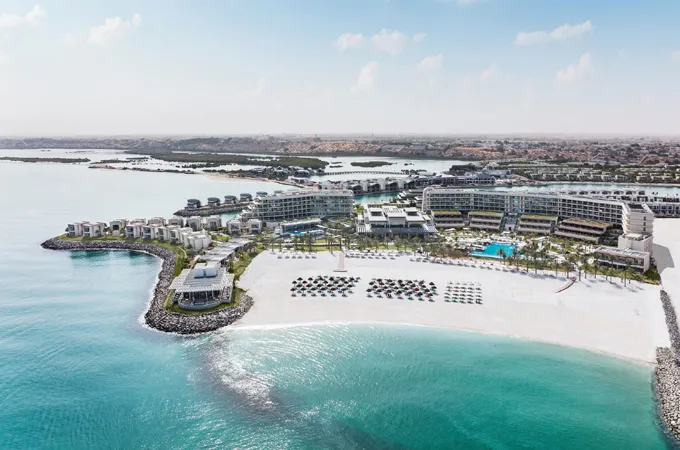
The UAE’s hospitality sector remains well positioned for sustained growth, supported by strong long-term tourism fundamentals, continued destination investment and a diversified mix of international, regional and domestic demand, according to JLL’s UAE Hotels Market Dynamics Q2 2026 report.
Traditional summer seasonality and ongoing regional tensions
weighed on international arrivals during the second quarter, but government
measures helped cushion the impact.
Dubai’s AED2.5 billion ($681 million) relief package, introduced in two
phases, included exemptions from the Tourism Dirham, hotel and restaurant fees,
easing cost pressures and supporting liquidity across the hospitality and wider
tourism sectors.
Hotel operators responded to softer demand with discounted
room rates, staycation packages and family- and leisure-focused offers aimed at
attracting domestic and GCC travellers. Properties also introduced incentives
including dining credits, spa access and extended-stay deals to support
occupancy and revenue.
Temporary closures for renovations remained another key
cost-management strategy, with some hotels bringing forward refurbishment
programmes to take advantage of lower tourism levels and improve service
standards ahead of reopening.
Abu Dhabi’s hotel inventory remained stable at 33,650 rooms
in Q2, with around 120 rooms expected to be delivered by year-end.
Dubai had 159,300 rooms, with approximately 4,900 additional
rooms anticipated by the end of 2026.
Developers have adopted a more cautious approach to new
projects, adjusting timelines while prioritising upgrades to existing
properties and awaiting stronger demand.
JLL said the measured approach reflects near-term execution
caution rather than declining investor confidence, with the sector expected to
steadily recover as market conditions stabilise. -TradeArabia News Service