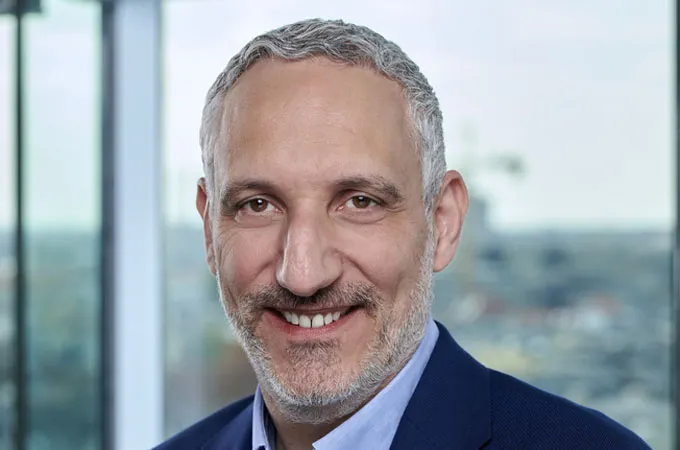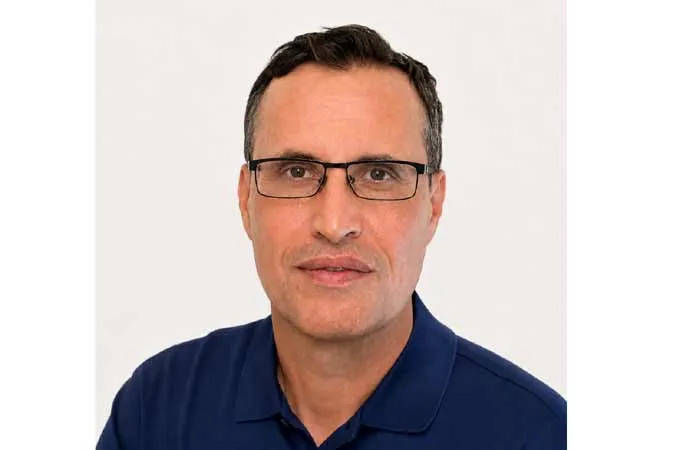
Saviynt, a leading provider of identity security solutions, has appointed Kamel Heus as Vice President of Sales for the Middle East and Africa (MEA).
Based in Dubai, Heus will lead Saviynt’s business across the MEA region, including Turkey, as the company advances its growth and strengthens its presence in key markets.
In his new role, Heus will drive new business, renewals and customer expansion across MEA, while leading Saviynt's regional channel strategy, expanding its partner ecosystem, and building out the company's local go-to-market team .
As AI reshapes how organisations across government, banking and financial services, utilities, healthcare, oil and gas, and retail approach identity, Heus’ appointment reflects the growing importance of securing both agentic identities and AI-driven environments. His near-term priorities include deepening Saviynt's regional presence, expanding into Saudi Arabia, and growing local hosting capabilities to meet in-region delivery and data residency requirements.
“MEA represents a significant opportunity for Saviynt as organizations across the region accelerate their digital transformation and increasingly look to AI to transform how they operate and grow,” said Pete Angstadt, Chief Commercial Officer at Saviynt. “Our role is to help customers move faster on that journey while ensuring security and governance keep pace. Kamel’s deep experience in the region and understanding of its customers, markets and partner ecosystem will be invaluable as we continue to expand our presence. We’re making a long-term investment in MEA, and his appointment is an important step in bringing Saviynt closer to our customers and partners as we help accelerate their AI journey securely.”
Heus will also help MEA businesses address a new category of identity risk: AI agents. As these agents gain access to enterprise applications and data, they require the same discovery, governance and lifecycle controls that are traditionally applied to human identities. Saviynt's Zuma platform is built to meet this need, giving organizations visibility into AI identities and the ability to enforce least-privilege access across their lifecycle.