The International Monetary Fund (IMF) has forecast a 1.3 per cent contraction in the economies of the Middle East, North Africa, Afghanistan and Pakistan (MENAP) in 2026, followed by a strong rebound of 6.6 per cent next year, as the regional conflict continues to weigh heavily on energy production, trade and economic activity.
Releasing its latest Regional Economic Outlook in Dubai on Thursday (October 22), the IMF said the impact of the war had been substantial but uneven, with oil-exporting countries directly affected by disruptions to production and shipping suffering the sharpest economic setbacks.
The revised 2026 forecast represents a downward adjustment of approximately three percentage points from April, reflecting the wider economic consequences of the conflict.
The six-member Gulf Cooperation Council (GCC) is expected to experience an even sharper downturn, with its combined economy projected to contract by 4.8 per cent this year before recovering by 9.1 per cent in 2027.
The Gulf forecast represents a 6.8 percentage-point downgrade from the 2 per cent growth projected in April.
The IMF said its baseline projections assumed that the conflict would subside in early 2027, allowing energy production, shipping and trade to gradually return to normal.
However, it cautioned that economic output in many affected countries would remain below levels projected before the war, despite the anticipated rebound.
Gulf economies face steep downturn
Jihad Azour, director of the IMF's Middle East and Central Asia Department, said at the report's launch that the sharp downgrade was concentrated among economies most directly exposed to the conflict.
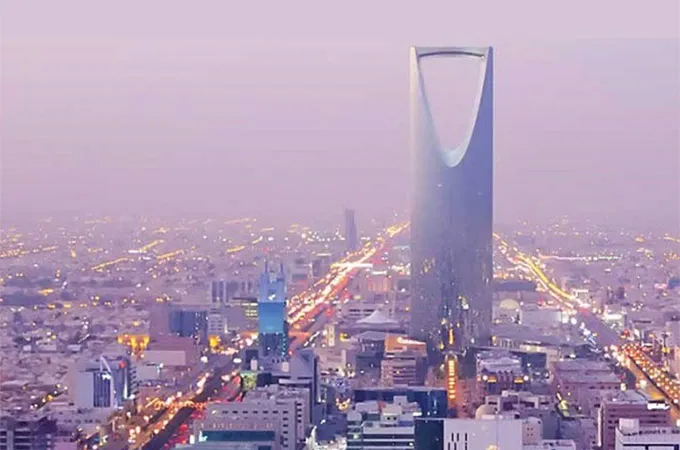
The IMF expects Saudi Arabia's economy to shrink by 3.3 per cent this year before expanding by 7.9 per cent in 2027. The UAE economy is projected to contract by 3.9 per cent, followed by growth of 7.7 per cent next year.
The conflict has also affected non-oil activity across the Gulf, with the IMF forecasting a 0.8 per cent contraction in the sector this year before growth recovers to 4.5 per cent in 2027.