Kowatek Solar has highlighted Ghana’s updated Renewable Energy Master Plan for 2026–2030 as a sign of growing clean-energy ambition across West Africa, alongside Nigeria’s new renewable energy financing initiatives.
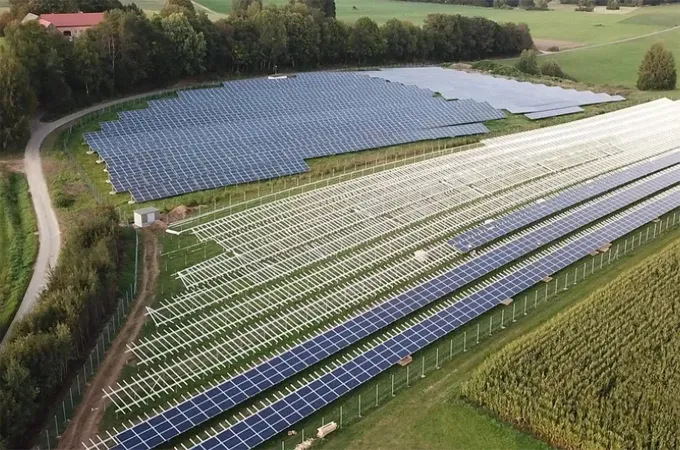
The plan targets 852 megawatt-peak (MWp) of utility-scale
solar and 709 MWp of utility-scale wind capacity.
Estimated investment requirements stand at $631 million for
solar and $999 million for wind, while total investment across the plan is
projected at $10.8 billion, almost double the $5.6 billion allocated under the
2019 plan.
The programme could generate more than 353,000 jobs across
manufacturing, installation and operations.
Additional targets include 127MW of new hydropower, 440
mini-grids serving rural and island communities, 1.1 million solar lanterns,
and expanded biofuel and improved cookstove adoption.
However, implementation remains a key challenge. The
previous plan cycle faced shortcomings in coordination and monitoring,
weakening data collection, reporting and evaluation.
Progress will therefore depend on effective procurement,
project execution and grid connections.
The plan also highlights the need for distinct financing and
delivery models for utility-scale projects and rural mini-grids.
While Nigeria’s Distributed Renewable Energy Fund focuses on
decentralised energy access, Ghana’s strategy covers utility-scale generation,
rural electrification and clean cooking.
For renewable energy companies, opportunities could emerge across both markets, particularly for firms offering hybrid power solutions for commercial and industrial customers, provided projects advance to procurement and implementation. -OGN/TradeArabia News Service