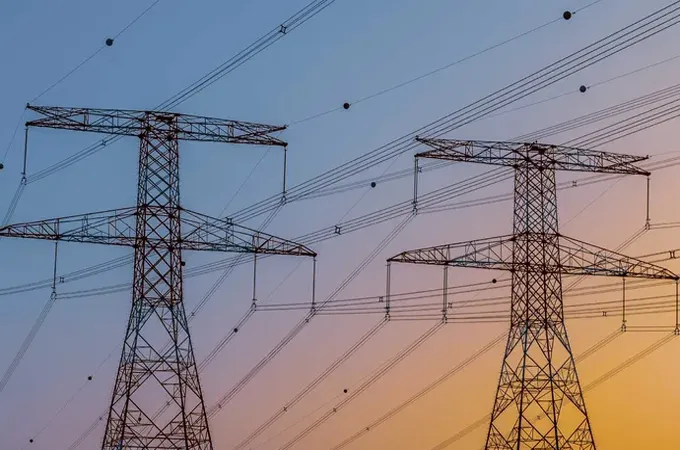
The Abu Dhabi Department of Energy (DoE) has announced that its 2025 Demand Response Pilot Project achieved an average electricity load reduction of 251 MW and a maximum reduction of 401 MW, marking significant progress in improving energy efficiency and flexibility across the emirate.
More than 30 entities
from various economic sectors participated in the project, collectively
providing over 408 MW of flexible capacity.
The initiative reduced
electricity consumption during peak periods by approximately 27 GWh and avoided
an estimated 4,000 tonnes of carbon dioxide equivalent emissions.
The project forms part
of the Load Management Programme under the Abu Dhabi Energy and Water
Efficiency Strategy 2030.
It enables consumers
to adjust electricity consumption during periods of peak demand, reducing
reliance on additional high-cost, high-emission generation capacity while
improving the utilisation of existing infrastructure.
Participants received
financial incentives through credits applied to their electricity bills issued
by TAQA Distribution.
Ahmed Al Falasi,
Executive Director of the Energy Efficiency Sector at the DoE, said: “Abu Dhabi
is developing an integrated energy system capable of supporting economic growth
and rising electricity demand while maintaining reliability of supply and resource
efficiency.
“For the first time in
the region, a comprehensive, regulated energy aggregator licensing programme is
being launched, opening new markets that attract investment and strengthen
demand flexibility and security of supply. We believe that our collaboration
with strategic partners across the energy sector has created the conditions to
translate ideas into practical solutions that support the emirate’s objectives,
through structured cooperation between the public and private sectors that
improves infrastructure investment efficiency and strengthens the long-term
sustainability of Abu Dhabi’s energy sector.”
Participating sectors
included metals, refining, cement, industrial gases, logistics, commercial
buildings and district cooling.
The project also
introduced the region’s first direct load control trials at industrial
facilities, educational institutions and district cooling companies, testing
response times and technologies used to adjust electricity consumption when
required.
The 2025 results
represent a substantial improvement on 2024, when the project recorded an
average load reduction of 106 MW, compared with 251 MW in 2025.
The initiative builds
on the DoE’s efforts to establish a demand response framework, beginning with
the launch of the Abu Dhabi Energy and Water Efficiency Strategy 2030 in 2019
and the introduction of the Demand Response Policy and Regulatory Framework in
2022.
These developments
have led to a regulatory framework supporting the licensing and operation of
energy aggregator companies, designed to protect consumers while creating
commercial opportunities and economic returns.
In collaboration with
Emirates Water and Electricity Company and other stakeholders, the DoE is also
exploring the use of artificial intelligence and virtual power plants to
further enhance electricity demand flexibility and strengthen the long-term
resilience and sustainability of Abu Dhabi’s energy system. -OGN/TradeArabia News Service