Saudi employers need to rethink how they develop talent and prepare employees for changing roles as AI becomes increasingly integrated into business operations, according to global technology company SAP.
While AI is expected to take on more routine tasks, employees will need stronger analytical, problem-solving and decision-making skills to work effectively alongside the technology.
YouGov research commissioned by SAP earlier this year among 260 senior IT decision-makers in Saudi Arabia found that only 6% reported no significant workforce planning in response to the growing use of AI and automation. Organisations are responding in different ways, including upskilling existing employees, providing training for specific roles and recruiting new AI-related talent.
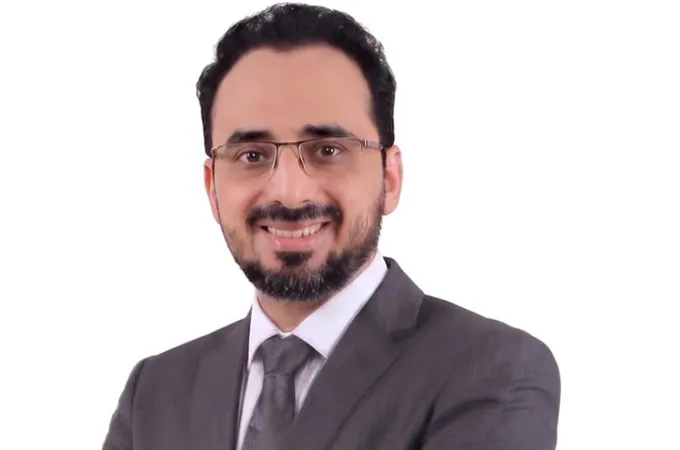
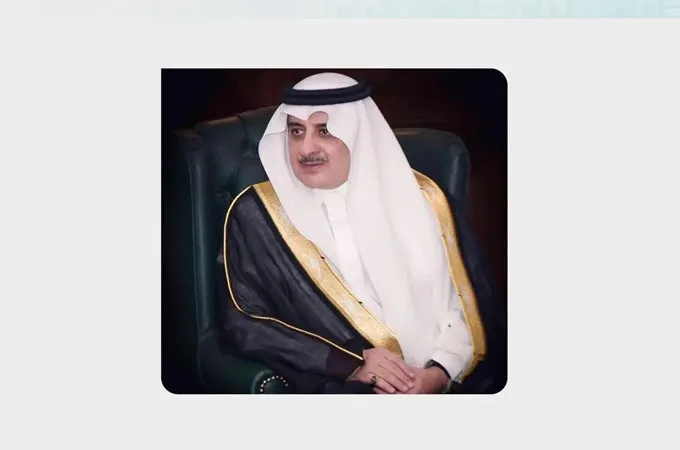
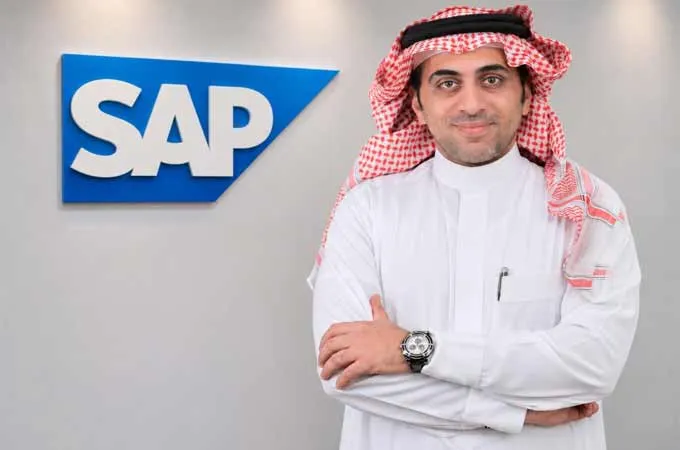
“Saudi Arabia’s AI ambitions require investment in people alongside technology. Business leaders need to identify where AI can improve performance, how roles will change and which skills their people will need next,” said Dr Fahd Nawwab, Vice President of SAP Saudi Arabia. “As more processes become autonomous, human judgment and accountability become even more important. Our focus is on helping organizations connect trusted data, business AI and workforce development to turn that ambition into measurable business outcomes.”
SAP's latest innovations reflect the growing importance of workforce planning as companies adopt AI. At SAP Connect in Las Vegas recently, the company introduced new capabilities designed to help organizations identify future skills requirements, assess workforce gaps and determine how best to combine recruitment, reskilling and redeployment. Other developments will enable businesses to create AI-supported training and make learning available within employees' daily workflows.
This shift toward more strategic workforce planning is already taking shape in Saudi Arabia. Saudi Aramco Sinopec Refining Company (YASREF), an SAP customer, is advancing its journey toward becoming a skills-based organization, enabling more informed decisions around employee development and future workforce requirements through a deeper understanding of workforce capabilities.
“As technology continues to reshape the way we work, building a future-ready workforce has become a strategic priority,” said Fahad Alharbi, HR Manager, YASREF. “By gaining greater visibility into the capabilities we have today and identifying future skill requirements, we can better support employee development, strengthen organizational agility, and align our talent strategy with long-term business objectives. The strong commitment and support of our leadership team have been instrumental in advancing this transformation.”
Human Oversight
These developments form part of SAP's vision of the Autonomous Enterprise, where AI can work across business processes using connected applications and trusted data, with appropriate controls and human oversight. For employers, this will make workforce planning and continuous learning increasingly important as employees take on different responsibilities.
In Saudi Arabia, developing these capabilities supports the goals of Vision 2030 and the Human Capability Development Program. SAP contributes through several education and professional development initiatives, including SAP University Alliances, the Dual Study Program and the SAP Young Professionals Program, which combines technical training and SAP certification with workplace skills. The SAP Academy of Engineering also develops advanced technology and AI capabilities among professionals.
For those already in employment, SAP Learning Hub provides access to guided learning, expert-led sessions and practical exercises. These programs contribute to SAP's global commitment to equip 12 million people with AI-ready skills by 2030.
The changes also raise questions about how younger employees will gain experience. Routine tasks have traditionally helped people entering the workforce learn their professions, and employers will need to consider how that experience can be developed when some of those tasks are automated. SAP research among chief human resource officers at large US organizations found that 88% believed AI was helping early-career employees become ready for their roles faster, while 38% expressed concern about the development of longer-term skills, including critical thinking, communication and judgment.
“Preparing Saudi talent for an AI-enabled workplace means giving people opportunities to build expertise through real work. Employers should combine AI tools with mentoring and practical experience, so early-career employees learn to question outputs, understand business consequences and make sound decisions. Success should be measured by the capabilities people develop and the responsibilities they are ready to take on,” SAP’s Nawwab concluded.
SAP will explore how AI, trusted data and business applications are shaping the next era of business at SAP NOW AI Tour Riyadh on December 2. The event will bring together business leaders, technology experts and customers to examine the path towards the Autonomous Enterprise, including the skills employees will need as AI becomes more widely adopted, and showcase SAP’s latest innovations and developments in Saudi Arabia. - TradeArabia News Service