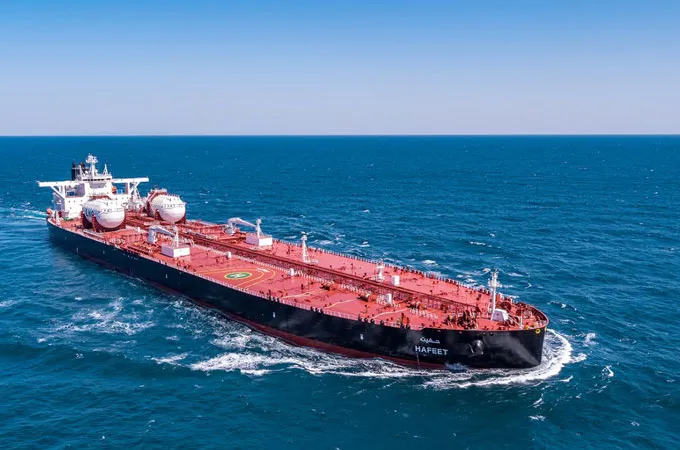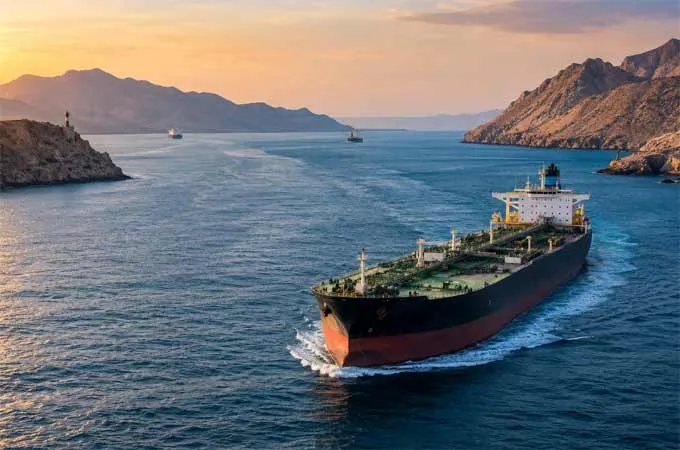
Four oil tankers were hit by explosions in the Strait of Hormuz on Thursday after allegedly entering areas designated as restricted by Iran, the country's military said, highlighting continuing security risks in the strategic waterway despite signs of a possible easing of the conflict with the United States.
The Iranian military said the vessels had ignored repeated warnings and entered what it considers prohibited maritime zones.
In a separate statement, the Iranian Army Navy said two tankers caught fire after striking naval mines while attempting to enter a restricted area east of the strait.
According to the Navy, the two vessels had disregarded warnings and switched off their radar systems while navigating what it described as unsafe waters. The ships subsequently struck naval mines and caught fire, it said. The military did not identify the vessels or provide details of their ownership, flag or the extent of the damage.
The latest incidents underscore the continuing threat to commercial shipping through the Strait of Hormuz, a critical artery for global oil supplies. Tanker movements have shown signs of recovery, while expectations of a possible de-escalation in the US-Iran conflict have contributed to a decline in oil prices. However, the reported attacks suggest that security conditions remain fragile.
Iranian Foreign Ministry spokesperson Esmaeil Baqaei has also warned foreign governments against providing naval, military or logistical support to US operations against Iran.
In a statement on X, Baqaei said any direct or indirect involvement, including the deployment of naval forces, military equipment, logistical support or personnel under the pretext of protecting freedom of navigation, would be considered participation in an unlawful act of aggression against Iran.
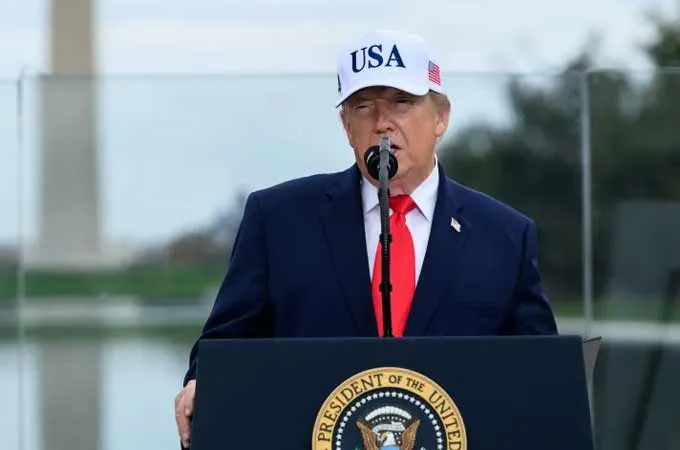
Separately, Iranian President Masoud Pezeshkian accused Israel of misleading US President Donald Trump and pushing Washington towards war with Iran.
Speaking to Brazilian President Luiz Inácio Lula da Silva on the sidelines of the 31st UN Climate Change Conference (COP31) in Turkey on Thursday, Pezeshkian described Israel as the instigator of the crisis and said it had influenced Trump's decision to pursue military action.
He questioned the US presence in the region and its naval blockade of Iran, arguing that Tehran should not be held responsible for the wider regional situation.
Pezeshkian said the era of unilateralism was over and that no country could impose its preferred political order on others through military force or coercion.
Reiterating Iran's position on its nuclear programme, he said the country had never sought nuclear weapons and was not pursuing them. He also accused Washington of underestimating Iran's capabilities.