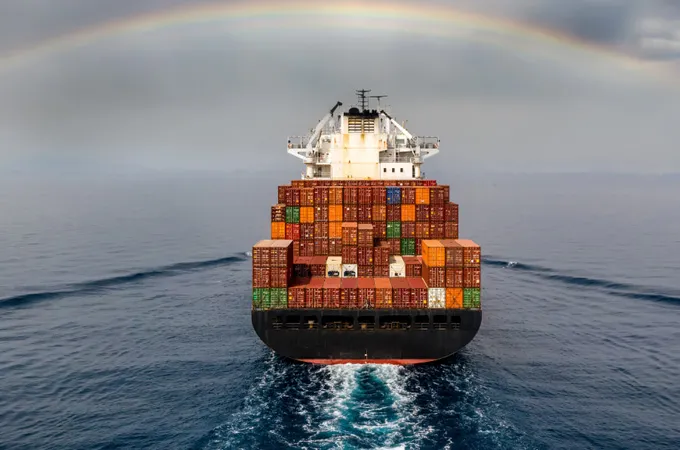
Global trade in ocean-related services rose to $1.44 trillion in 2025, representing 58% of the $2.5 trillion ocean economy and surpassing goods as the dominant segment of ocean trade, according to new data from the United Nations Conference on Trade and Development (UNCTAD).
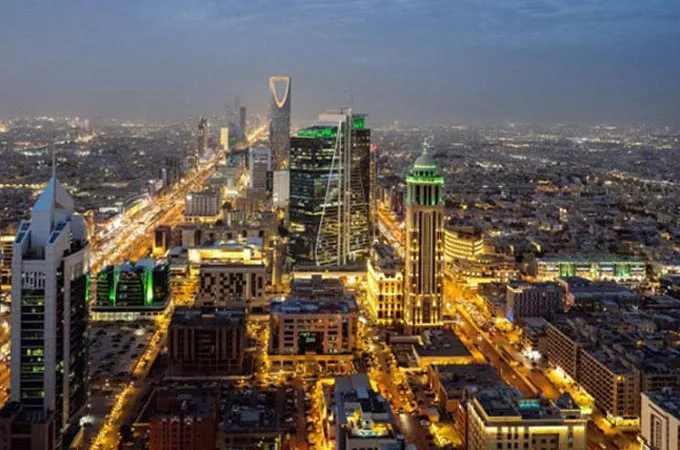
Saudi Arabia's economy is expected to accelerate sharply in 2027 after a subdued performance this year, with Riyad Capital forecasting real GDP growth of 6.8% next year compared with 0.9% in 2026, driven by a recovery in oil production and continued expansion of non-oil sectors.
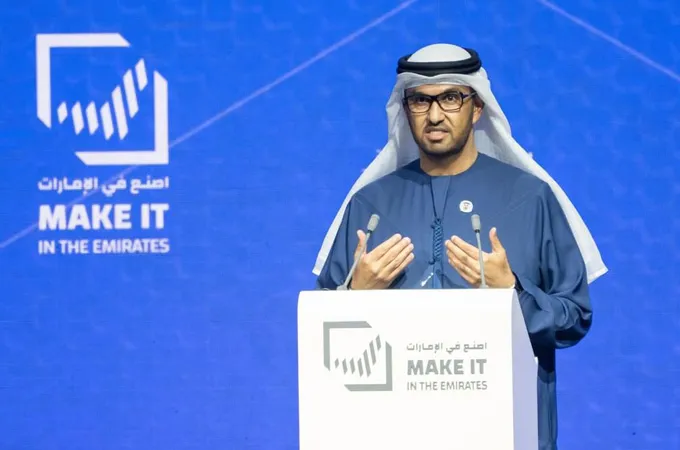
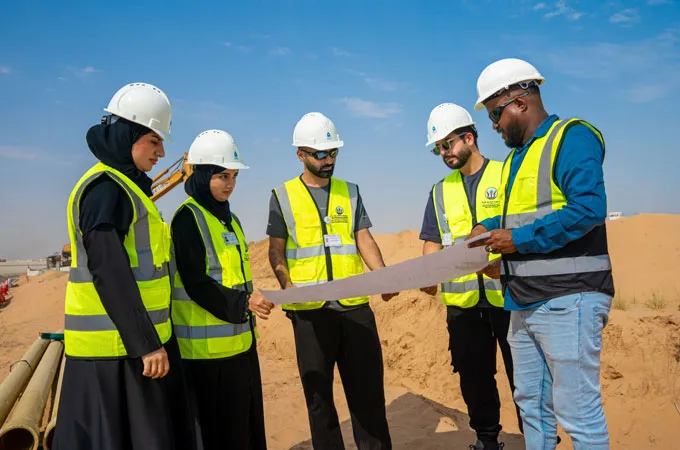
The UAE’s industrial strategy continues to deliver structural transformation across the national economy with the industrial sector alone contributing AED200 billion ($54.4 billion), up 70% since 2021; while industrial exports climbed to AED262 billion ($71 billion), said a top official.

UAE’s real GDP grew by 6.2% in 2025 over the previous year to hit AED1.9 trillion ($517 billion), thus reflecting the effectiveness of the country's strategy to develop a diversified and sustainable economic model, backed by robust growth in non-oil sectors, said a report.

The World Cement Association (WCA) is celebrating its 10th anniversary, a key milestone that reflects a decade of profound transformation for both the global cement industry and the wider world economy. Over the past ten years, the world has faced the Covid-19 pandemic, geopolitical conflicts and energy crises.
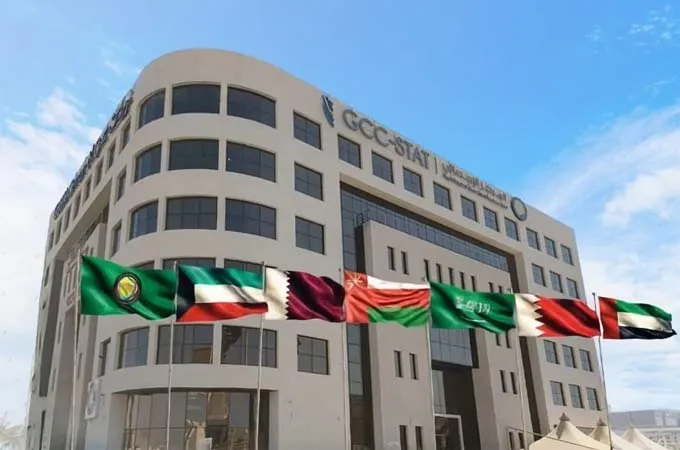
The GCC economies posted robust growth in the third quarter of 2025, driven by the non-oil sector as the region’s sustained push to diversify income sources gained further momentum.
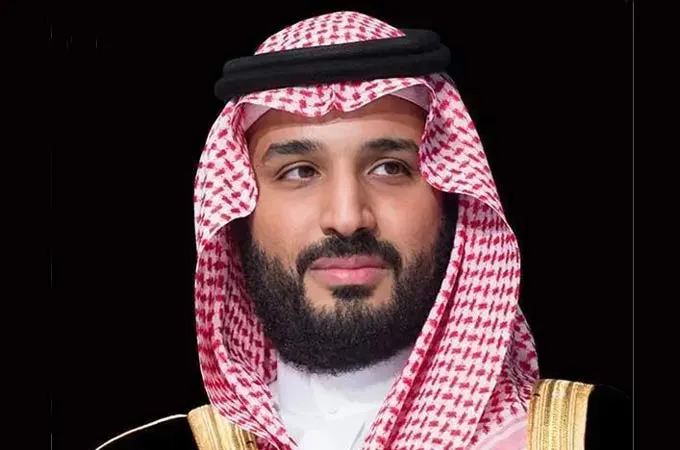
The first and second phases of Saudi Arabia's Vision 2030 have delivered a qualitative leap in the Kingdom’s development, achieving a comprehensive transformation across economic and social sectors, said His Royal Highness Prince Mohammed bin Salman bin Abdulaziz Al Saud, Crown Prince, Prime Minister, and Chairman of the Council of Economic and Development Affairs.

Four urgent proposals aimed at easing economic pressure, protecting consumers and supporting food security due to the Iranian attacks were unanimously approved by Bahrain MPs yesterday and referred to the Cabinet for urgent review, a Gulf Daily News report said.

Saudi Arabia’s real gross domestic product (GDP) grew by 4.5% in 2025 compared with 2024, driven by growth across all economic activities, with oil activities rising 5.7%. The total GDP at current prices reached SAR4,789 billion ($1275.70 billion) in the year.

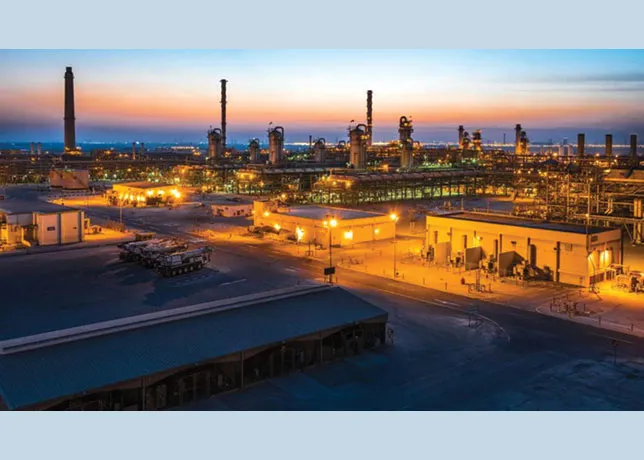
Weaponising the Strait of Hormuz is an act of economic terrorism with global impact far beyond energy markets, said Dr Sultan Ahmed Al Jaber, UAE Minister of Industry and Advanced Technology, ADNOC Managing Director and Group CEO, Chairman of Masdar and Executive Chairman of XRG.