Islamic finance is evolving beyond its traditional role as a source of funding to become a strategic connector between liquidity-rich markets and fast-growing economies, says a new Standard Chartered report.
Dubai’s real estate market continued to consolidate its position among the strongest property markets worldwide in 2026, supported by a comprehensive range of economic and investment indicators reflecting strong demand, high liquidity, sustained capital inflows and an increasingly advanced regulatory and digital ecosystem, according to W Capital Real Estate Brokerage.
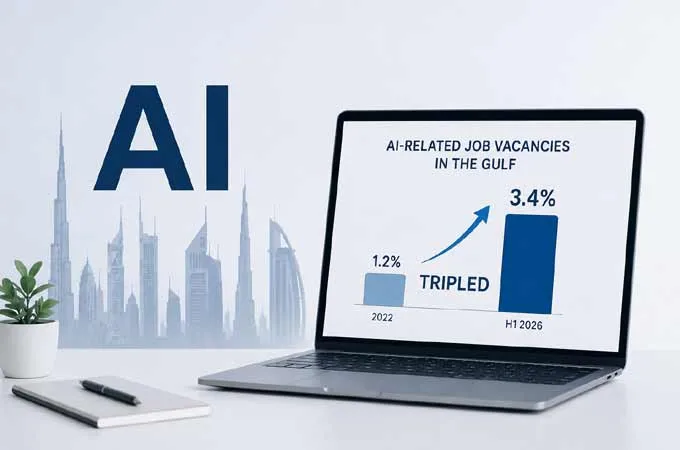
The share of professional job vacancies in the Gulf requiring artificial intelligence (AI) skills has nearly tripled over the past four years, but for much of the region's economy the technology has yet to make a meaningful impact on hiring, according to data from Middle East recruitment platform GulfTalent.
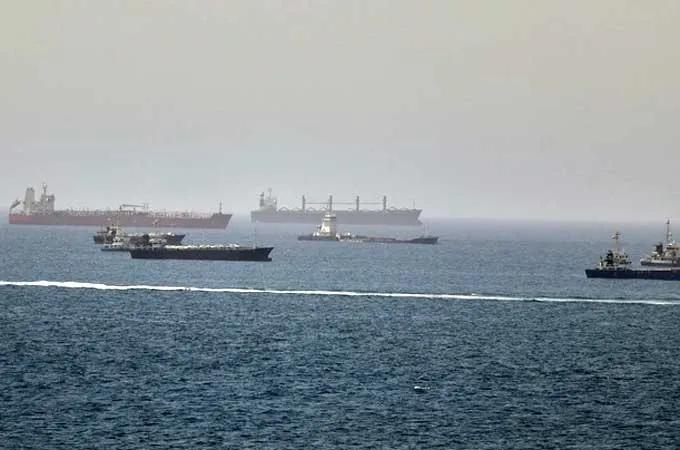
Oil prices are climbing once again, and with them, fears that inflation could make an unwelcome return. Renewed tensions between the US and Iran have shifted investors' attention back to the impact of higher energy costs on the global economy, said a leading global market strategist.
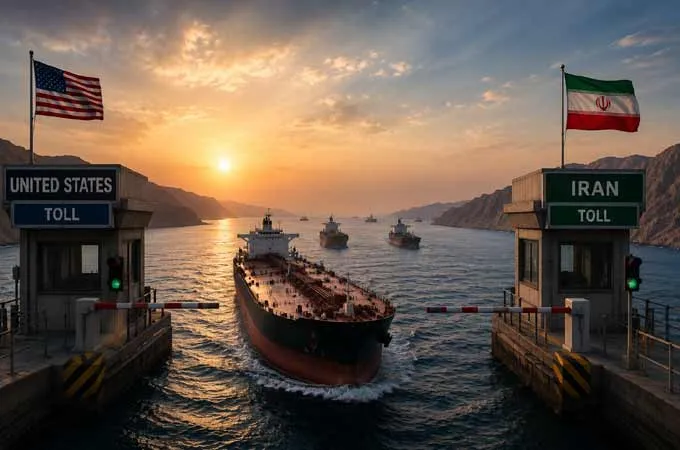
Tolls in the Strait of Hormuz now look almost impossible to avoid. Should they land, the world would be paying a new tax on energy itself, and everyone from investors to households would feel it.

Artificial intelligence (AI) has become a growing strategic focus for luxury companies as consumers increasingly use AI tools during purchasing decisions, although many brands are still working to move beyond experimentation, according to an industry expert.
The GCC sovereigns’ stable credit quality is backed by strong, hydrocarbon-driven economic recovery in 2027. However, that prolonged geopolitical uncertainty could strain public finances and expose variances in sovereigns' fiscal ability to absorb lengthy disruptions, said S&P Global Rating.
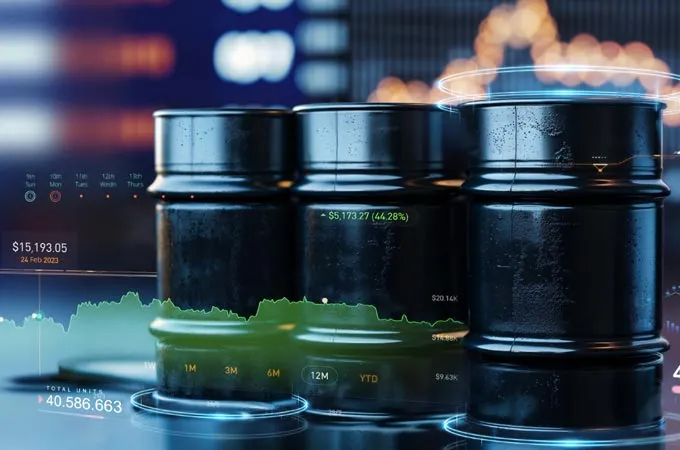
Global oil markets are sending the wrong signal by treating the latest attacks on commercial shipping in the Strait of Hormuz as a contained geopolitical incident rather than a potentially significant threat to energy supplies, warns the CEO of financial advisory giant deVere Group.
Across the GCC, the built environment has become one of the most powerful enablers of economic transformation. These projects are reshaping skylines, attracting global investment and positioning the GCC as a global hub for innovation, business and talent. Yet as the scale and complexity of development continues to grow, so too does the importance of an often-overlooked factor that underpins long-term success: building codes.
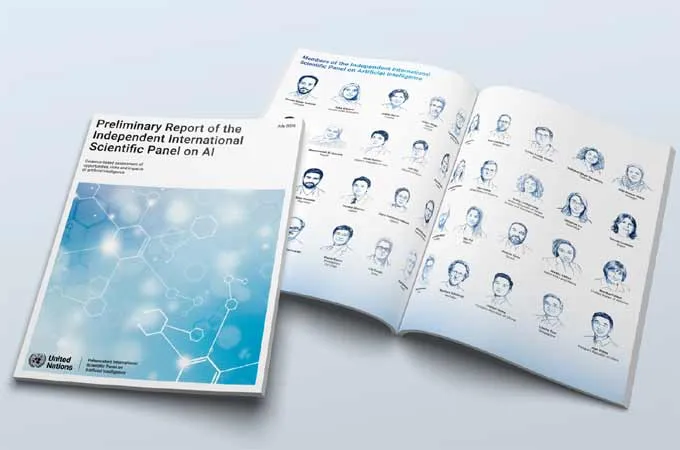
Artificial intelligence is evolving faster than scientific understanding and governments' ability to regulate it, creating growing risks that require urgent global action based on a shared scientific evidence base, a landmark United Nations report warned.