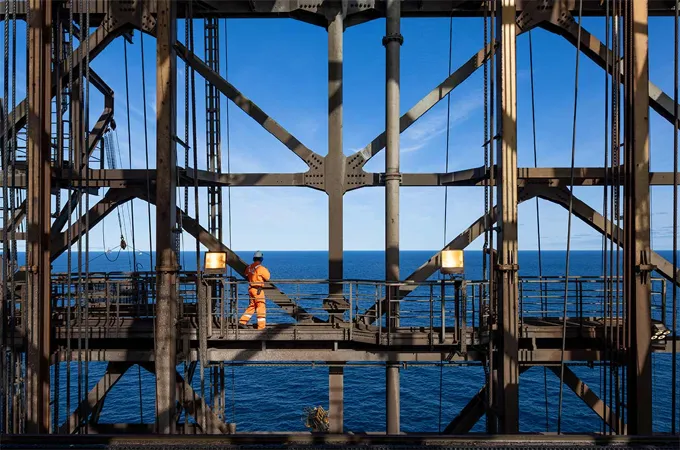
Crude oil prices surged for a fourth consecutive session on Wednesday, with Brent approaching the psychologically important $100-a-barrel threshold as a fresh escalation in the US-Iran conflict heightened fears of prolonged disruptions to oil supplies from the Gulf.

Kistos has received confirmation of a Royal Decree from Oman, completing the transfer of legal ownership of onshore Blocks 3 and 4 from Mitsui E&P Middle East to the independent energy company.

Oil prices were heading for their strongest weekly gain since mid-July on Friday as renewed fighting between the United States and Iran heightened concerns over disruptions to Middle East energy supplies.

Chevron has reached new agreements with Venezuela covering its joint ventures, unlocking plans for more than $7 billion in investment over five years and production growth to about 600,000 barrels per day, supported by additional Orinoco Belt acreage and lower costs.

Oil, gold and silver have followed markedly different trajectories over the past six months, as geopolitical tensions, changing US interest-rate expectations reshape global commodity markets. Oil has responded to geopolitical developments, while gold has been driven primarily by monetary policy and silver by both rates and industrial demand, said an expert.

Oil prices fell about 1% on Friday, extending losses for a third consecutive session, even as Saudi Arabia and Yemen's Iran-backed Houthis exchanged fresh strikes and a tanker was hit in the Strait of Hormuz, with markets focusing instead on efforts to restore Saudi oil flows and alternative routes for Gulf exports.
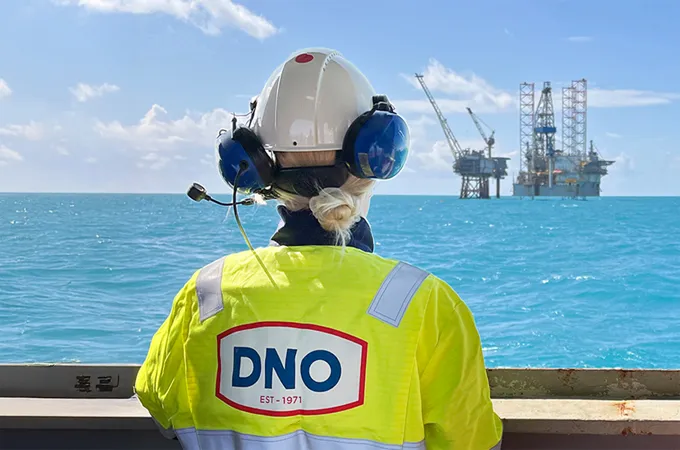
Norwegian oil and gas operator DNO ASA has announced that the boards of DNO, DNO Bidco AS and UK-based Capricorn Energy have agreed to revise the terms of its proposed acquisition of Capricorn, with shareholders now set to receive the full acquisition value in cash.
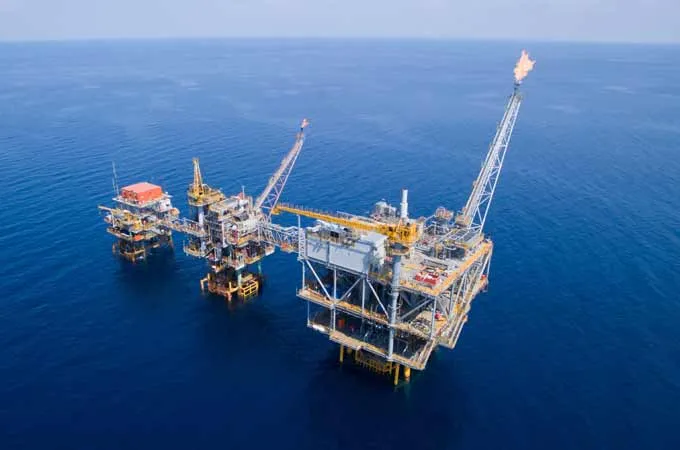
Oil prices held around $108 a barrel on Wednesday, near a four-month high, as markets grappled with mounting concerns over global energy supplies following the shutdown of Saudi Arabia's East-West oil pipeline and continuing attacks on key oil and shipping routes in the Middle East.

Global oil markets face a fresh supply shock after Saudi Arabia shut down its 1,200-km East-West Pipeline following multiple drone attacks, as continuing attacks on shipping in the Strait of Hormuz and a widening Houthi offensive in the Red Sea threaten to disrupt vital energy routes on both sides of the Arabian Peninsula.

Oil prices surged to their highest levels since May on Friday as the widening US-Iran conflict and a rapid Houthi advance in Yemen raised fears of a prolonged disruption to global crude supplies through the two strategic waterways of Hormuz and Bab al-Mandeb.