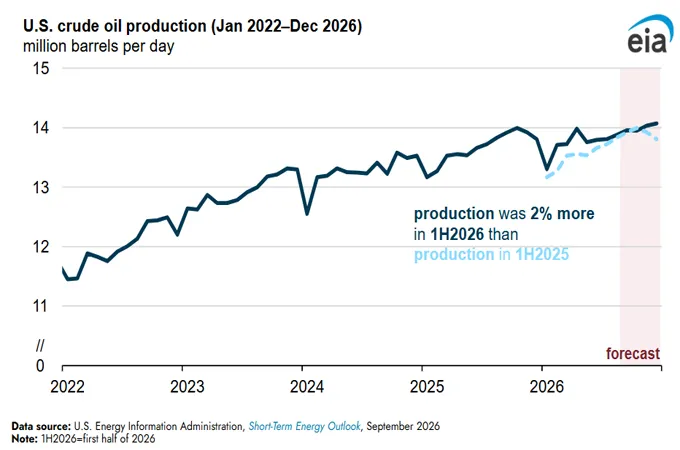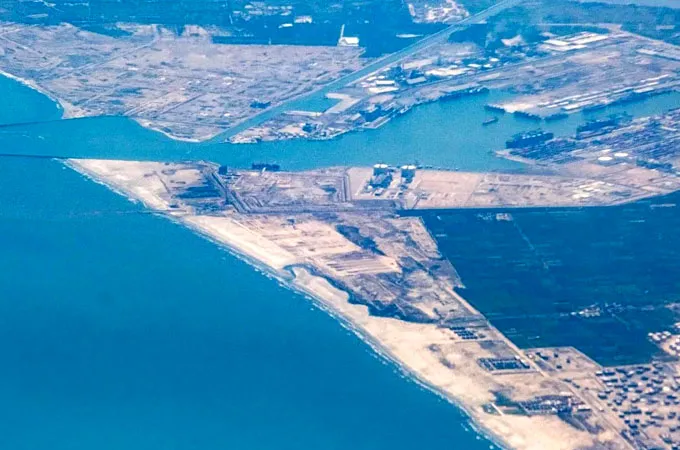
Explosions hit a natural gas loading port on the Mediterranean Sea in Egypt on Wednesday, and British maritime security company Ambrey said a US-owned floating storage tanker there had been hit by a drone, said media reports in a potential spread of the Middle East war.

Liquidity-management instrument availability for Islamic banks has expanded across many core markets over the past decade, supporting funding needs, according to Fitch Ratings. However, gaps remain relative to conventional banks, more so in countries where Islamic banks remain niche.
The Saudi asset management industry remained resilient in Q1 during the height of the Iran conflict, even posting some growth, according to Fitch Ratings. Assets under management (AUM) are likely to continue to rise, surpassing $400 billion in 2027.

The US-Iran war and effective closure of the Strait of Hormuz have disrupted economic activity, but the negative rating actions for Middle East issuers for the March-April period were limited to outlook revisions and placements on the Rating Watch, according to a report from Fitch.
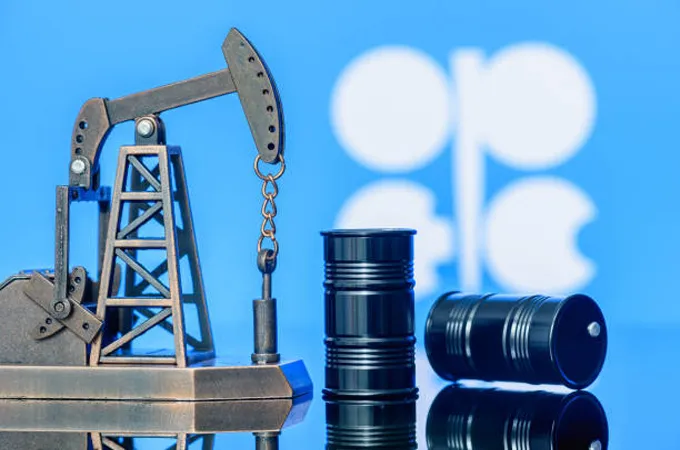
Seven leading producers in the Opec+ are likely to agree to a modest increase in July oil output when they meet on June 7, despite ongoing supply disruptions linked to the Iran war, four sources told Reuters.

It would take months for jet fuel supply to recover even if the he Strait of Hormuz reopens, given disruptions to Middle East refining capacity, said Willie Walsh, Director General of the International Air Transport Association (IATA).

The US-Iran face-off is the single biggest variable across every asset class - from oil to equities - meaning investors should be bracing for a volatile few days ahead, said an expert. Oil remains at the centre of every market move right now with both crude and brent up over 80% YTD.

The Heads of the International Energy Agency, International Monetary Fund, and World Bank Group have agreed to form a coordination group to maximise their institutions’ response to the energy and economic impacts of the war in the Middle East.

US President Donald Trump said the American military campaign against Iran is “nearing completion,” while warning that Washington is prepared to intensify strikes over the next two to three weeks if necessary.

The European Union (EU) will urge members to cut their dependence on Middle Eastern jet fuel and look into increasing imports from the US, in new guidelines expected next week, an official source told Reuters, as the Iran war disrupts global supply.