During a meeting with Clemens Augustinus Hach, the former German Ambassador to Bahrain, we had a candid discussion on regional and international affairs. I explained to him, quite frankly, our reservations regarding the West’s limited understanding of our region, only to be surprised when he remarked: “This is the first time I’ve heard such views expressed with this level of honesty.”
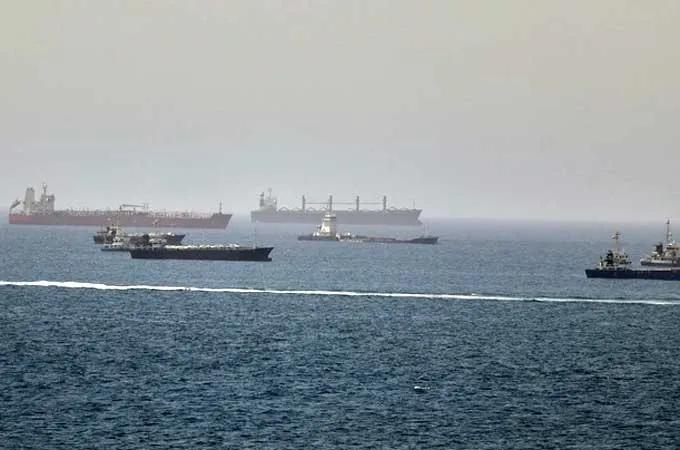
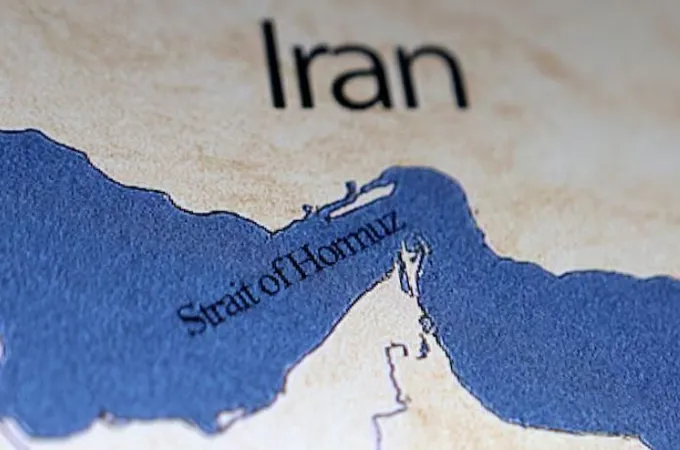
Indeed, the Arab mentality is at times overly restrained when expressing its concerns to major powers — a mistake for which we have often paid a heavy price. As these powers shape the future of the world, they frequently fail to appreciate our interests, having ignored the GCC warnings for years about the dangers of Iranian expansionism. This neglect eventually brought us to a point where a regime deliberately attempts to hold the Strait of Hormuz hostage, in full view of the world and in violation of international maritime laws, with the aim of paralysing global supply chains.
There is no longer time for political courtesies. What our region endured following Iran’s blatant and unlawful attacks during the 40-day war cannot be brushed aside, nor can such actions be tolerated again. The region has demonstrated beyond doubt that it is the backbone of the global economy. As we commemorate the anniversary of the establishment of the Gulf Co-operation Council, we must jointly formulate a shared strategic vision for the region and the wider world, guided by the paramount interests of the peoples of this region.
We must recognise that today’s world responds to the language of interests expressed through economics and trade, rather than abstract political rhetoric. The figures speak clearly: the combined nominal GDP of GCC countries reached approximately $2.4 trillion in 2025, placing them among the world’s influential economic powers. We must therefore harness the strengths our nations possess, firmly reject any infringement on our rights, and consolidate our standing at both regional and global levels.
Any shared Gulf vision can only achieve its objectives by fostering greater societal awareness across the GCC of the scale of the challenges facing the region. This must be supported by responsible media, alongside cultural and educational discourse that strengthens a common Gulf identity – one of the most important pillars of resilience and stability in the face of regional and global change.
Experience has shown that the challenges facing the region today exceed the capacity of any single state to address alone – whether in security, economic, or political terms. Any decline in GCC co-ordination and integration only creates greater opportunities for external powers to interfere and exert influence. This makes it imperative to treat Gulf security and stability as a collective responsibility and a shared destiny, leaving no room for hesitation or narrow calculations.
It must also be emphasised that a region which directly influences global energy markets, food security and international trade should not remain merely an arena for receiving or adapting to international decisions. Rather, it must evolve into an active partner in shaping global balances and defining the contours of the future, leveraging its economic weight, strategic location and steadily growing political capabilities.
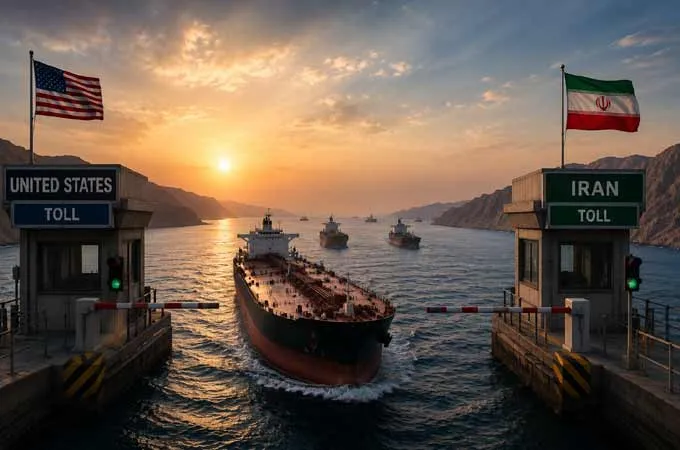
At a time when a potential American-Iranian agreement appears to be within reach, hesitation or excessive politeness must not once again lead to the overlooking of GCC interests. Otherwise, the shortcomings associated with the 5+1 agreement concluded under former US President Barack Obama could be repeated — an agreement that failed to adequately address the threats posed by Iran to our countries.
It is therefore incumbent upon US President Donald Trump to take into full account the security of the Gulf Arab states in any future agreement with Iran.
* Anwar Abdulrahman is the Chairman and Responsible Editor of Gulf Daily News, our sister publication. This article was first published in Gulf Daily News.