Oil prices extended gains on Wednesday as fears of a prolonged disruption to energy supplies through the Strait of Hormuz intensified following the United States' reimposition of a naval blockade on Iranian ports and fresh threats from Iran's Islamic Revolutionary Guard Corps (IRGC) to shut down regional oil and gas exports.
Brent crude futures rose about 0.77%, to $85.38 a barrel, while US West Texas Intermediate crude was at $79.73 a barrel. The gains followed Tuesday's 2% rally that lifted both benchmarks to their highest levels in about a month as military exchanges between Washington and Tehran heightened concerns over supplies from the world's most important oil transit chokepoint.
The Strait of Hormuz normally carries around one-fifth of global oil and liquefied natural gas shipments, making any disruption to traffic through the narrow waterway a major concern for energy markets.
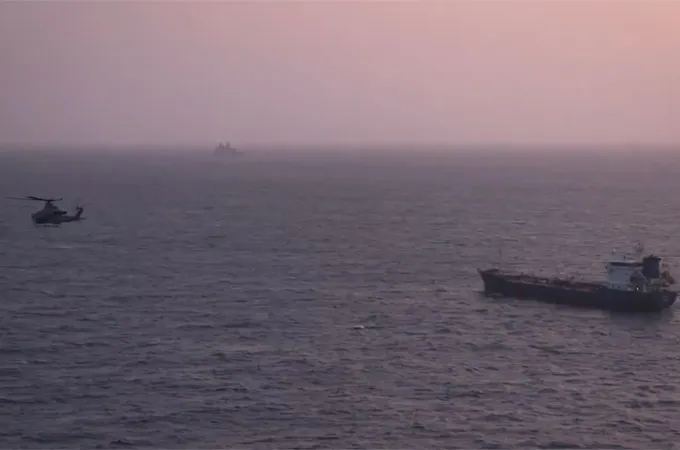
The latest rally comes after President Donald Trump reinstated a US naval blockade on all Iranian ports, saying the measure was aimed at preventing Iranian oil exports and countering attacks on commercial shipping.
Iran responded with strikes on US military infrastructure in the Gulf, while the IRGC warned that if Iran was prevented from exporting its oil, no country in the region would be allowed to do so either. The force declared that "the region's oil and gas exports are either for everyone or for no one," and warned that continued US military action could lead to a complete halt in energy traffic through the Gulf.
The exchange has fuelled concerns that the confrontation is evolving into a struggle for control of the Strait of Hormuz, with both sides seeking to deny the other freedom of navigation through the strategic waterway.
Although there has been no confirmed closure of the strait, repeated attacks on tankers, military strikes around the shipping corridor and increasingly forceful rhetoric from both Washington and Tehran have significantly raised the geopolitical risk premium in oil markets.
Analysts said traders are increasingly pricing in the possibility of prolonged shipping disruptions, higher insurance costs and tighter availability of Gulf crude should the conflict escalate further.
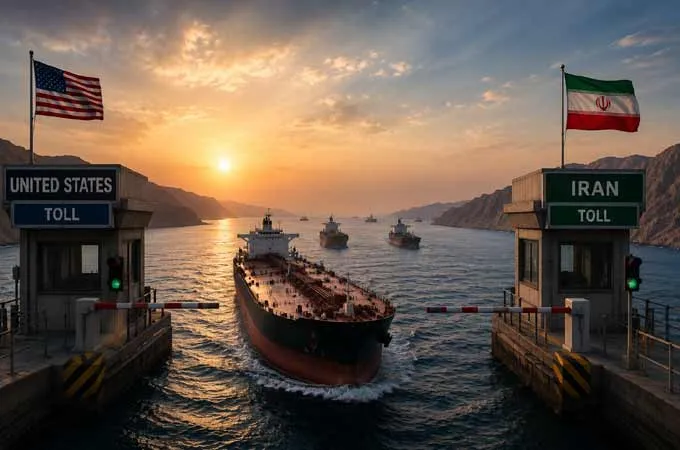
The latest developments come despite President Trump stepping back from his earlier proposal to impose a 20% transit levy on ships using the Strait of Hormuz. However, he has maintained the naval blockade on Iranian ports and has threatened further strikes, including on Iranian power plants, if Tehran does not change course.