Concerns over the security of global shipping lanes intensified on Thursday after Yemen's Iran-backed Houthi movement claimed attacks on two Saudi oil tankers in the Red Sea, while US President Donald Trump warned he would retaliate against any Iranian attempt to target commercial vessels transiting the Strait of Hormuz.
The developments underscored the growing risks to two of the world's most critical maritime chokepoints — the Red Sea's Bab el-Mandeb Strait and the Strait of Hormuz — through which a significant share of global oil and liquefied natural gas supplies pass.
According to CNN, Trump said the United States would "destroy one bridge or power plant" every time Iran targets a ship transiting the Strait of Hormuz. Iranian media, citing an official, reported that Tehran would respond by striking infrastructure and energy facilities across the region if such attacks were carried out.
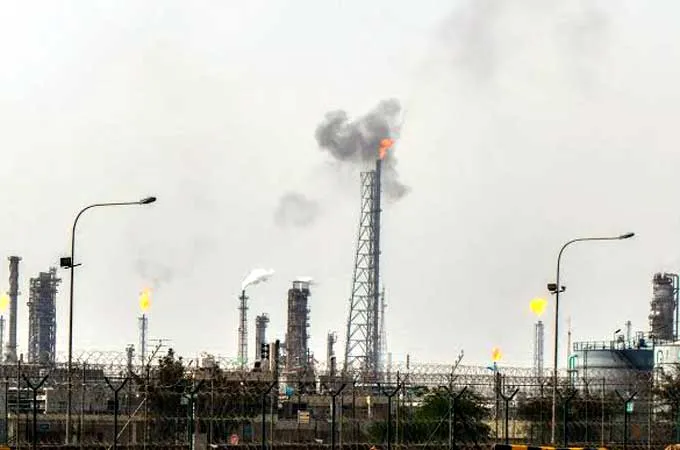
Iran's Revolutionary Guards also said an oil tanker caught fire following an explosion in the Strait of Hormuz, according to Reuters. The circumstances surrounding the incident were not immediately clear.
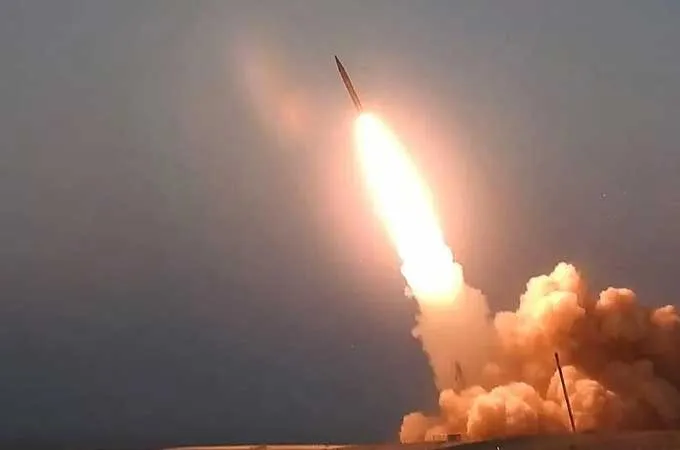
The Houthi movement said it had launched missile and drone attacks on two Saudi-flagged oil tankers — the Encelia and the Layla — after announcing a naval blockade on Saudi shipping. The group claimed the vessels had violated the blockade.
Saudi authorities confirmed that the Encelia was struck while sailing in the Red Sea, with a fire breaking out at the vessel's bow. The Saudi Press Agency, citing an official at the General Transport Authority, said all crew members were safe. There was no immediate Saudi comment on the Layla, and the Houthi claims could not be independently verified.
The United Kingdom Maritime Trade Operations (UKMTO) separately reported that a tanker was hit by an "unknown projectile" about 70 nautical miles southwest of the Saudi town of Al Shuqaiq. The strike caused a fire but no casualties or pollution were immediately reported. An investigation is underway.
The attacks have added to concerns that the Houthis are opening a second front against global energy shipping in coordination with Iran's efforts to exert pressure in the Strait of Hormuz, raising the prospect of simultaneous disruptions at both maritime chokepoints.
Shipping data has already reflected growing caution among tanker operators. Five tankers altered course in the Red Sea on Wednesday to avoid the Bab el-Mandeb Strait, while three Saudi oil tankers bound for China and India reportedly turned back earlier in the week, highlighting mounting concerns over crew safety and insurance risks.
Meanwhile, the US military said it had completed a 12th consecutive night of strikes against Iranian military targets.
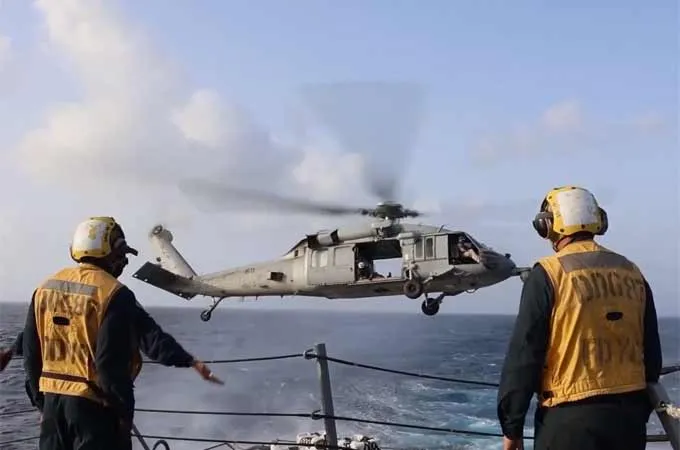
US Central Command (CENTCOM) said American forces targeted maritime capabilities, missile and drone storage facilities, coastal surveillance sites and air defence assets, while continuing a maritime blockade against Iran.
"US forces struck Iranian military targets including maritime capabilities, missile and drone storage facilities, coastal surveillance sites, and air defence assets," CENTCOM said in a statement posted on X, adding that dozens of military sites were hit. It did not disclose the total number of targets.
Separately, CNN reported that Trump had also renewed threats to strike Iran's suspected underground nuclear facility at Pickaxe Mountain, a move Tehran dismissed as a pretext for further U.S. military action.