Gulf tensions remain dangerously high despite signs of diplomatic progress over the Strait of Hormuz, with Saudi Arabia warning of imminent coordinated attacks by Iran-backed militias even as Tehran and Muscat move closer to an agreement aimed at restoring commercial shipping through the strategic waterway.
Saudi officials say the kingdom is preparing for what could be a new phase of regional escalation after intelligence indicated that Iran-backed Iraqi militias, working in coordination with Yemen's Houthi movement under the supervision of Iran's Islamic Revolutionary Guard Corps (IRGC), are planning multiple attacks on Saudi civilian and energy infrastructure in the near future.
A Saudi official, speaking to CNN, said the kingdom had received multiple intelligence reports from Saudi and regional agencies warning of coordinated strikes targeting energy facilities, ports and airports.
"Saudi Arabia will take all necessary measures to deal with any aggression," the official said, adding that the reports were particularly alarming as Riyadh has been actively encouraging de-escalation while diplomatic efforts appeared to be moving in a positive direction.
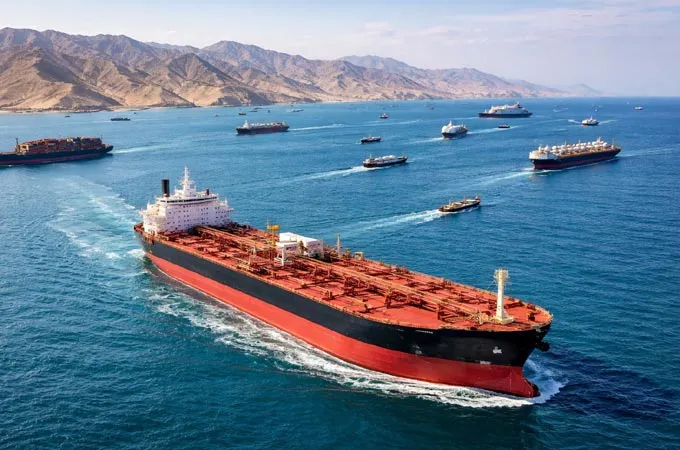
The warnings came as the Houthis claimed responsibility for a fresh attack on a Saudi oil tanker in the Gulf of Aden and after weeks of missile and drone strikes targeting Saudi territory. On Thursday, an attack on the southern Najran province injured 11 civilians, according to the Saudi-led military coalition. Coalition spokesman Major General Turki al-Maliki said the wounded included seven Saudis, one Yemeni, two Egyptians and one Pakistani national.
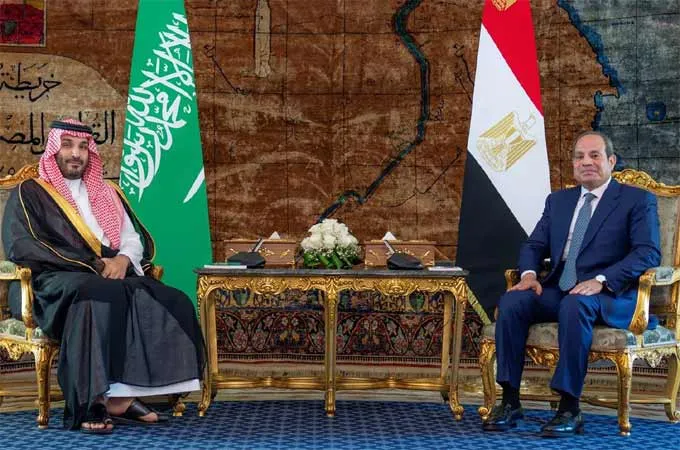
The latest security concerns coincide with preparations for a Turkish-Saudi-Pakistani summit in Mecca on Friday, where the three countries are expected to announce a joint defence agreement, according to regional sources, underlining growing regional efforts to strengthen military cooperation amid the worsening security environment.
The military threats have emerged even as diplomatic channels remain active.
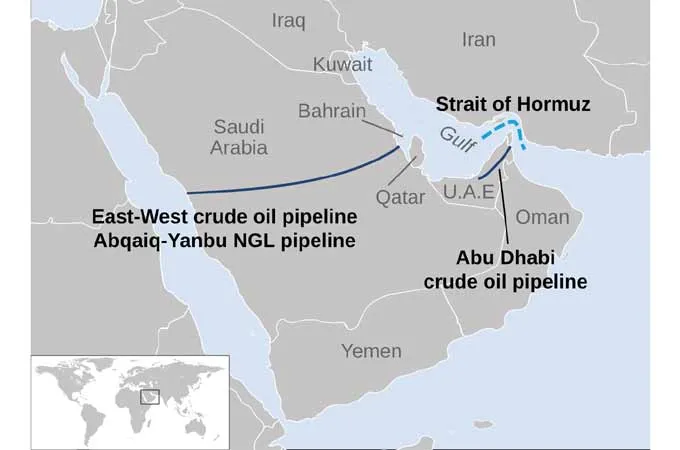
Iran's deputy foreign minister said Tehran and Oman are close to finalising a framework governing commercial shipping through the Strait of Hormuz, one of the world's most important oil transit chokepoints. However, he cautioned that the agreement would not automatically reopen the waterway and stressed that implementation would depend on broader political and security conditions.
The proposed framework follows weeks of mediation by Oman aimed at reducing tensions after the closure of the strait disrupted global energy markets and shipping routes.
Despite the progress with Oman, Tehran has continued to reject claims by US President Donald Trump that direct negotiations are underway between Washington and Tehran over reopening the strait.
Iranian Parliament Speaker Mohammad Bagher Ghalibaf and senior negotiators accused Trump of engaging in "theater diplomacy," dismissing repeated US assertions that bilateral talks are progressing.
Adding another layer of uncertainty, Iranian lawmakers have drafted separate legislation that would significantly tighten Tehran's control over shipping through the Strait of Hormuz.
The proposed bill, currently under review by Parliament's National Security Commission, is separate from the Oman-mediated negotiations and would prohibit vessels from the United States, Israel and other countries deemed hostile to Iran from transiting the waterway. Ships carrying military or civilian cargo linked to Israel, vessels involved in operations against Iran or its regional allies, and ships connected to countries that Tehran believes have caused damage to Iran could also be denied passage until compensation is paid.
Violators could face fines of up to 20% of the value of their cargo under the proposed legislation.
Despite the heightened tensions, limited commercial traffic has continued. MarineTraffic data showed at least seven commercial vessels transited the Strait of Hormuz over the past 24 hours, including six entering the Persian Gulf—five cargo ships and one tanker—and one cargo vessel exiting into the Gulf of Oman, suggesting cautious movement continues while negotiations proceed.
The security situation has also been complicated by renewed warnings from Tehran to Gulf Arab states.
Reuters reported earlier that Iran has warned Gulf governments that any fresh US military strike on Iranian territory would trigger retaliation against critical regional energy infrastructure. The warning was conveyed through a series of high-level diplomatic contacts after President Donald Trump threatened on July 28 to target Iran's energy infrastructure if tensions escalated further.
The developments come as questions grow over the United States' ability to sustain a prolonged military campaign in the region.
President Trump on Thursday dismissed reports that the Pentagon's stockpile of precision-guided munitions has been significantly depleted after months of military operations in the Middle East. While insisting the United States possesses "massive amounts" of weapons, he acknowledged that certain categories of munitions were in tighter supply. He also expressed full confidence in Defence Secretary Pete Hegseth following reports that shortages had become a source of concern within the administration.