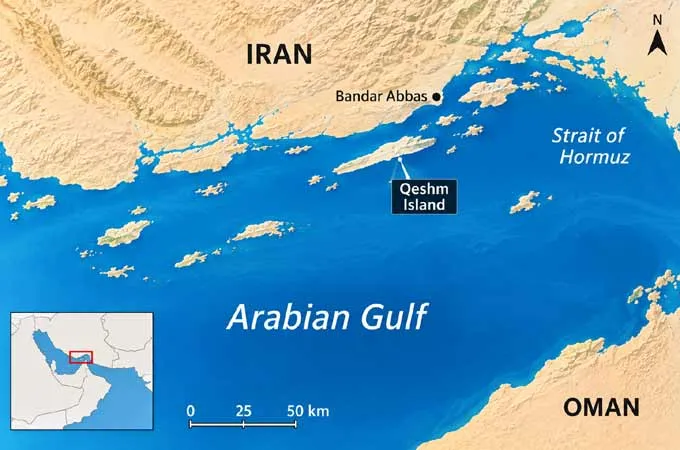
The United States and Iran exchanged fire on Tuesday, with US fighter jets striking an Iranian missile launch site on Qeshm Island after Tehran said it had targeted a US military radar system in Bahrain, amid diplomatic efforts to end the nearly nine-month war.
A US military official said the strikes targeted a Revolutionary Guards missile launch site in response to attacks on US personnel and assets. Iranian media, citing an official, said the strikes caused no damage to infrastructure.
Bahrain and the US said an attack on Bahrain was intercepted, with no casualties or damage reported. Bahrain's defence force also said it intercepted Iranian aerial attacks on Wednesday.
Bahrain's Foreign Ministry condemned the attacks, describing them as violations of the kingdom's sovereignty and territorial integrity, and said it reserved the right to take measures to protect its security, including under the GCC's Joint Defence Agreement.
Bahrain also rejected Iranian criticism of recent rulings by its judiciary, accusing Tehran of interfering in its internal affairs. The dispute relates to convictions in a case involving alleged espionage for Iran and links to its Revolutionary Guards, with Bahrain saying the proceedings were conducted under its laws. Manama accused Tehran of attempting to undermine its judicial independence and divert attention from the attacks on Bahraini territory.
The latest military exchanges underscore the challenges facing efforts to end the conflict, which has destabilised the region, disrupted energy supplies and contributed to higher global oil prices.
Qatari and Iranian officials held talks on Tuesday aimed at narrowing differences over proposals to end the conflict, while Iranian Foreign Minister Abbas Araqchi visited Oman for discussions on maritime security, shipping and preventing further escalation.
Araqchi also met Oman's Sultan Haitham bin Tariq and outlined Iran's diplomatic initiative to end the war, which began with US and Israeli strikes on Iran on February 28.
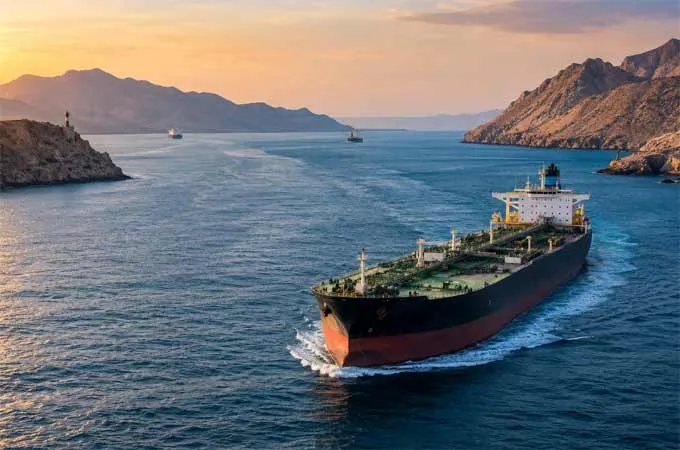
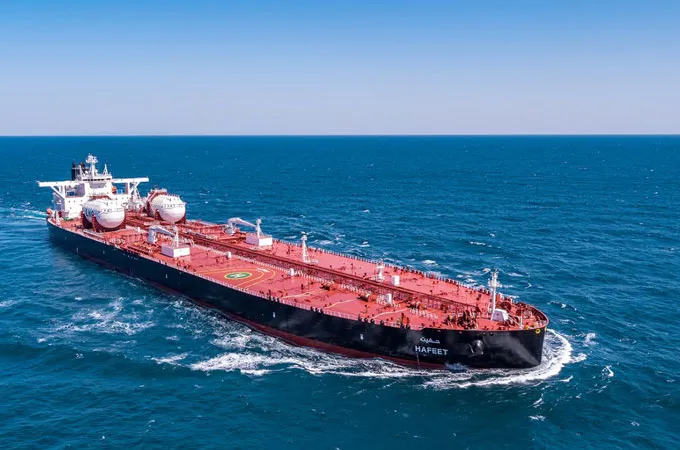
The Strait of Hormuz, through which about a fifth of global oil and liquefied natural gas supplies passed before the war, remains partly blocked, adding to concerns over energy markets and international shipping.
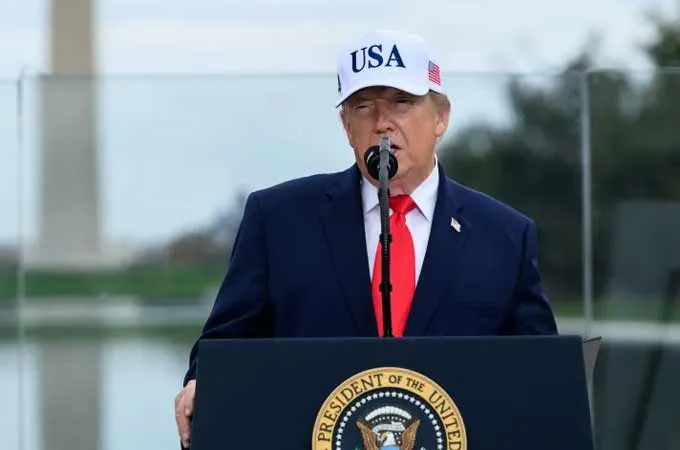
President Donald Trump said he could hold off further strikes if Iran and the Houthi group in Yemen refrained from what he described as provocations. Tehran, meanwhile, rejected US allegations of a possible threat involving a dirty bomb in Washington, calling them baseless.
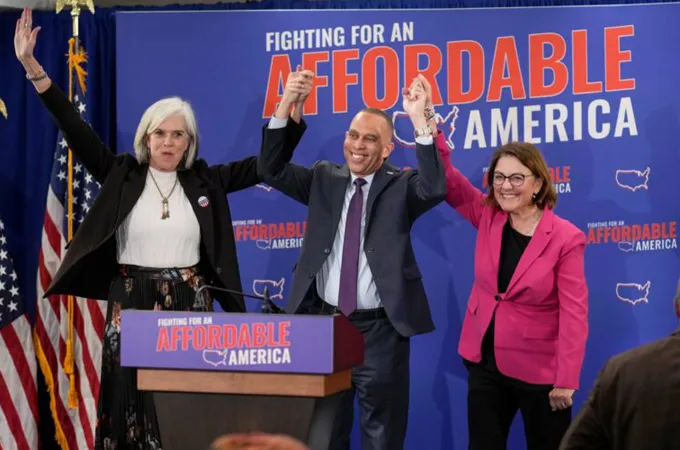
The conflict has also become a political issue in the US, with Trump's Republican Party suffering losses in November's midterm elections amid voter concerns over the war.