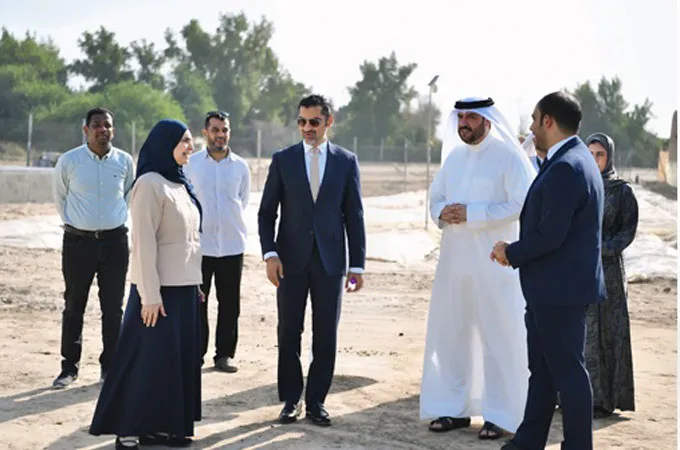
Qatar’s Prime Minister Sheikh Mohammed bin Abdulrahman Al Thani is due to visit Tehran on Thursday in a fresh diplomatic push to ease tensions between the US and Iran and help restore freedom of navigation through the Strait of Hormuz.
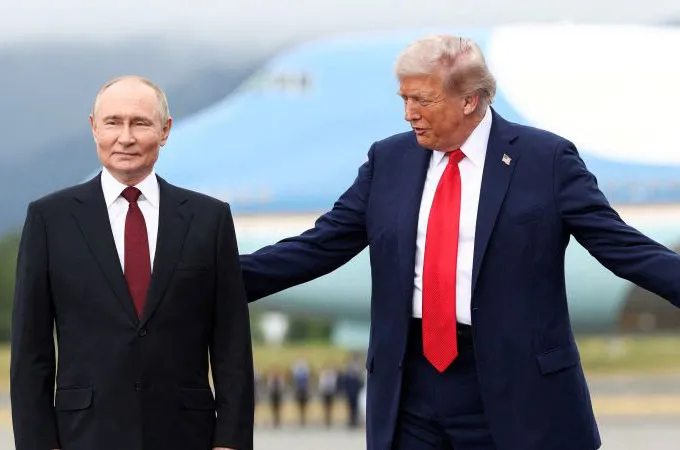
The move comes even as President Donald Trump said Washington’s economic strength was pushing the conflict toward a “very big victory” for the United States.
Qatar’s Foreign Ministry said Sheikh Mohammed would meet Iranian officials to discuss ways to “de-escalate tensions and create the conditions conducive to dialogue.” The talks will also address freedom of navigation through the Strait of Hormuz and the need to restore conditions that prevailed before the conflict began on February 28.
Qatar has emerged as an important intermediary between Washington and Tehran and has backed Iran and Omani efforts to negotiate an arrangement for commercial shipping through the strait.
Qatar’s prime minister and Iranian Foreign Minister Abbas Araghchi discussed the proposed temporary corridor and mine-clearance efforts in a telephone call on Tuesday, with Doha expressing support for diplomatic efforts to guarantee freedom of maritime navigation.
The Qatari initiative follows visits to Tehran by Pakistan’s army chief and Oman’s foreign minister earlier this week, underlining a widening regional diplomatic effort to find a way out of the confrontation.
Trump: US financial strength driving victory
Trump, meanwhile, struck a confident tone over the US campaign against Iran, saying American economic power was helping Washington move towards victory.
“Our financial strength is unbelievable, and those things are going toward a very big victory,” Trump said in a live phone interview with conservative radio host Glenn Beck.
Trump also rejected speculation that Iran’s Supreme Leader Mojtaba Khamenei had died. He said Khamenei was “very seriously wounded” but that he did not believe the Iranian leader was dead.
Trump’s comments came as Washington has shifted heavily toward economic pressure after a pause in direct military operations. The US Treasury this week announced a sweeping sanctions campaign against Iran, targeting nearly 60 entities, individuals and vessels and expanding the potential reach of secondary sanctions.
Washington has also designated five sectors of the Iranian economy — digital assets, technology, gold, aviation and shipping — for expanded sanctions exposure. Treasury said the measures were designed to cut off channels used by Tehran to evade sanctions, generate oil revenue and obtain sensitive technology.
Hormuz deal remains far from settled
Iran and Oman said they were working on a temporary shipping arrangement under which commercial vessels would use a corridor passing through Iranian and Omani territorial waters. Iran has said the proposed route would be about seven miles wide and that the two sides have also discussed clearing mines from parts of the waterway.
But Tehran has stressed that the agreement does not amount to a full reopening of the strait. Iranian officials say the waterway will remain subject to Iranian controls and that the temporary corridor will operate only under agreed conditions.
The two sides have yet to settle key operational details, including the precise route, when commercial vessels can safely begin using it and how navigation and security arrangements will work. The United States has also opposed an arrangement that could give Iran and Oman greater control over traffic through the strategic waterway.
Iran’s Revolutionary Guards said Wednesday that agreements had been reached on the respective countries’ share of the waterway and revenues, while accusing Washington of obstructing the process.
The uncertainty was underscored by a fresh maritime security incident. A tanker was struck by an unidentified projectile in the Strait of Hormuz, causing a fire that was later extinguished, the UK Maritime Trade Operations agency said Thursday. All crew members were reported safe and there was no reported environmental impact. Authorities were investigating the incident and UKMTO advised vessels to exercise caution.
Oil falls as markets price in diplomatic breakthrough
Oil markets, however, have responded positively to signs of diplomatic progress.
Brent crude futures fell about 0.5% to $87.43 a barrel on Thursday, extending their decline for a fourth consecutive session, while West Texas Intermediate fell 0.5% to $81.86, putting it on course for a fifth straight day of losses.
The decline reflects expectations that talks involving Qatar, Iran and Oman could eventually restore commercial traffic through Hormuz and ease the supply disruption caused by the conflict.