Qatar stepped up regional mediation efforts on Thursday, with Prime Minister and Foreign Minister Sheikh Mohammed bin Abdulrahman Al Thani pressing Iran to restore freedom of navigation through the Strait of Hormuz, even as Tehran insisted that reopening the strategic waterway would depend on conditions being met by the United States.
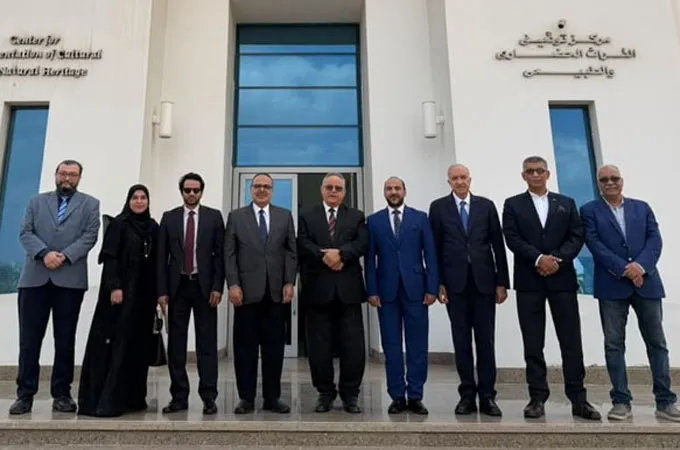
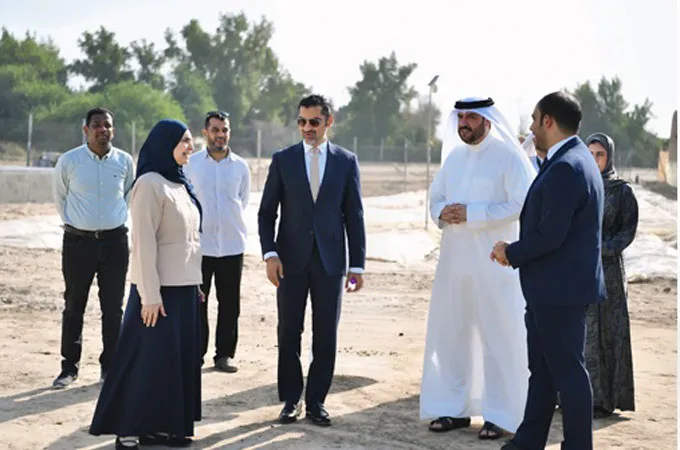
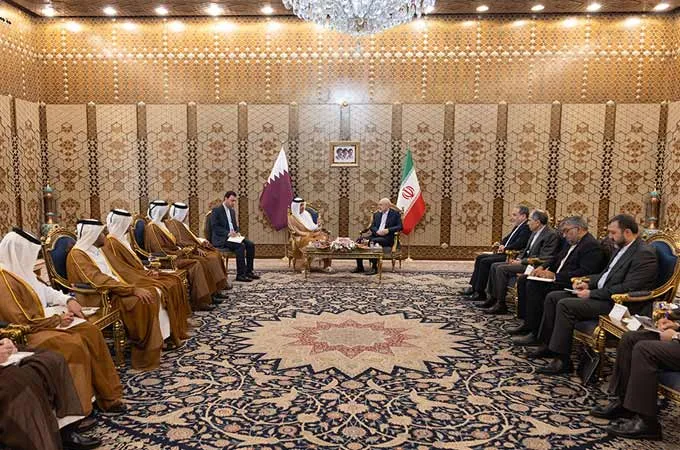
Sheikh Mohammed met senior Iranian officials in Tehran, including Foreign Minister Abbas Araghchi, President Masoud Pezeshkian, Parliament Speaker Mohammad Bagher Ghalibaf and Supreme National Security Council official Mohsen Rezaei.
The talks came amid renewed diplomatic efforts by Qatar, Oman and Pakistan to ease the US-Iran conflict and find a mechanism for restoring shipping through Hormuz, one of the world’s most important energy corridors.
Sheikh Mohammed said Qatar was seeking a return to the situation that existed before the war and stressed the need to respect freedom of navigation.
“I underscored the importance of respecting freedom of navigation in the Strait of Hormuz in accordance with international law,” he said in a post on X after his meetings.
Qatar has also backed a proposal under discussion between Iran and Oman for a temporary shipping corridor through the strait, including cooperation on mine clearance. The proposed arrangement would designate a navigational route passing through both Iranian and Omani waters.
But Tehran made clear that it does not regard reopening the waterway as simply a maritime or technical issue.
Sheikh Mohammed told Iranian officials that dialogue and diplomatic solutions remained the best way to address differences and prevent further escalation. Qatar's Foreign Ministry said the talks focused on reducing tensions, creating conditions for the resumption of dialogue and restoring regional security and stability.
Iran links reopening Hormuz to US conditions
Mohsen Rezaei, secretary of Iran’s Supreme National Security Council, said Iran was preparing a list of conditions for restoring normal shipping after mediators asked Tehran to specify what it would require.
Rezaei said Iran had agreed with Oman on a shipping corridor through the strait, but that implementation would depend on Washington meeting Iranian demands.
“Iran will proceed to open the Strait of Hormuz” only after the United States takes practical steps to fulfil Tehran’s conditions, Iranian officials said.
Iranian demands previously aired by officials have included an end to the US naval blockade of Iranian ports, removal of sanctions and compensation. Tehran has also demanded the unfreezing of Iranian assets and an end to the wider economic pressure campaign.
Iran's position was reinforced by the Islamic Revolutionary Guard Corps, which has said the Strait of Hormuz remains under Iranian control and that vessels cannot transit without Iran's permission and management. The IRGC has also said Iran and Oman had reached understandings on the division of waters and revenues from the waterway, although a senior Iranian source told Reuters that the arrangement had not been finalised.
Tehran and Washington remain far apart
The diplomatic push is taking place despite the absence of direct US-Iran negotiations.
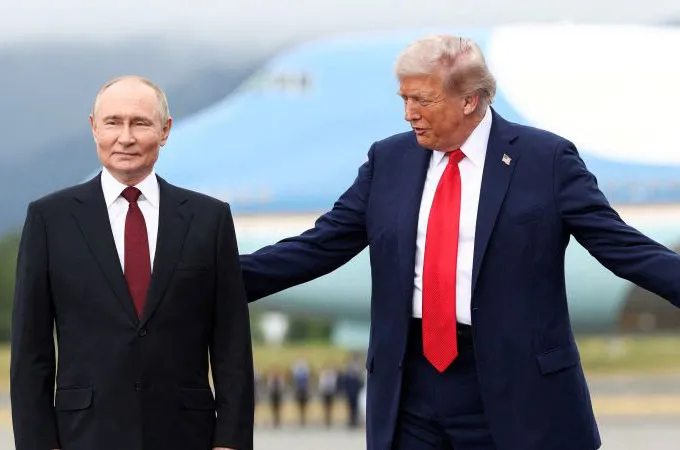
President Donald Trump said Thursday that Washington was not talking to Tehran and that the administration was instead concentrating on an economic pressure campaign.
The White House launched Operation Economic Outcast this week, describing it as a campaign to sever Iran's remaining economic links with the global financial system. The US Treasury has already targeted nearly 60 entities, individuals and vessels, while warning countries and businesses dealing with Iran that they could face further sanctions.
Trump was also pressed over whether the administration would impose sanctions on Chinese banks dealing with Iran. He declined to rule out such measures, while giving no indication that Washington was prepared to ease its economic pressure.
China is particularly important because it is Iran's largest trading partner and a major buyer of Iranian oil. The question of whether Washington will impose secondary sanctions on major Chinese financial institutions therefore remains a potentially significant test of the pressure campaign.
Military pressure continues
Diplomatic efforts are also unfolding alongside continued US military preparations.
The USS Theodore Roosevelt carrier strike group is expected to deploy to the Middle East in the coming weeks, replacing the USS George Washington. US Navy officials said the deployment is expected to last at least seven months, with commanders preparing crews and families for a mission that could extend to eight months.