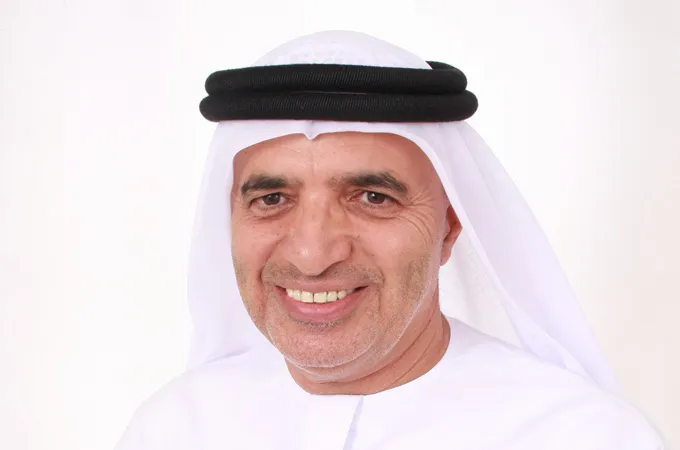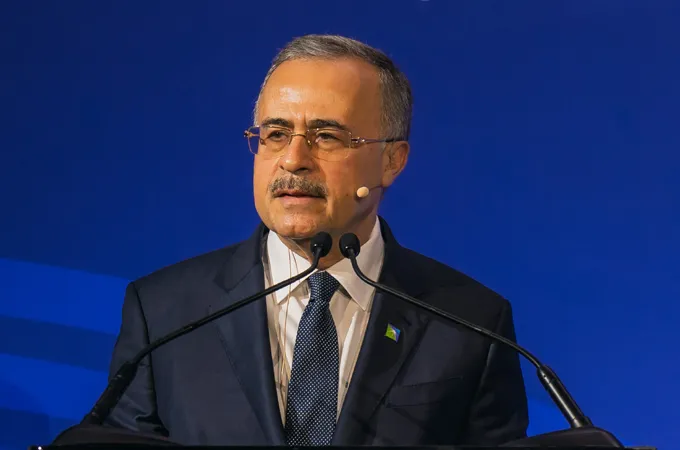
Amin Nasser, Aramco President and CEO, has called for closer coordination among governments, energy suppliers and customers to strengthen global energy resilience and better withstand geopolitical disruptions.
Speaking at the Energy Intelligence Forum in London, Nasser
highlighted the continuing importance of oil and gas to global energy security,
economic stability and geopolitical resilience.
He warned that disruptions to regional energy flows could
create prolonged pressure on markets and take significant time to resolve.
“Until Hormuz fully re-opens and confidence returns, the
crude reality is that pressure at both ends of the barrel will intensify. Even
then, replenishing inventories while meeting demand could take up to two
years.”
Nasser also stressed that oil and gas remain deeply embedded
in the global economy and that the energy transition faces resource and
supply-chain challenges.
“Oil and gas are not just tradable commodities – they are
the lifeblood of modern civilization… With shortages of aluminum, sulfur,
helium, and petrochemicals, solar, wind, and EVs are not immune either… Half
the world’s proven oil reserves are in the Middle East, along with most of its
spare production capacity… Our region’s strategic importance is set to grow, as
the other resource bases mature, and new ones are potentially harder to find
and less economically competitive.”
He pointed to Aramco’s diversified resilience measures, including strategic storage, spare production capacity, multiple crude grades, domestic gas storage and its tanker fleet through Bahri.
The company’s strong
balance sheet and local supply chain also contribute to its ability to respond
to disruptions.
“At Aramco, resilience is like a vast, complex jigsaw
puzzle, not a single asset or capability. Our strategic storage globally has
proved vital. Our spare capacity, multiple crude oil grades, domestic gas
storage, tanker fleet via Bahri, and one of the strongest balance sheets in the
industry add further layers. So does our local supply chain, which has provided
more than 90% of the materials used in asset restoration… We are studying
additional routes for crude exports, while exploring more overseas storage to
help cover short-term disruptions.”
The Energy Intelligence Forum brings together senior energy
executives, government officials, investors and innovators to discuss global
energy challenges and opportunities. -OGN/TradeArabia News Service