The Strait of Hormuz could become redundant within five years as Gulf countries accelerate investment in alternative energy export routes following the Iran war, HSBC Group Chief Executive Georges Elhedery said, even as renewed supply concerns pushed Brent crude above $110 a barrel on Wednesday.
Brent was trading at $110.40 a barrel in early trading, up $1.58, while US West Texas Intermediate (WTI) gained $1.31 to $99.13, as traders weighed mounting risks to Middle East energy supplies, Red Sea shipping and Saudi Arabian oil infrastructure.
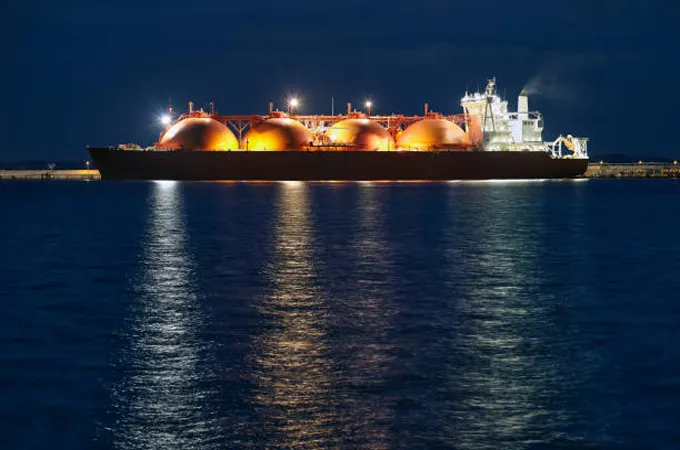
The latest gains reflect continuing uncertainty over energy shipments from the Gulf, where the conflict has exposed the vulnerability of the Strait of Hormuz, a strategic waterway that previously handled around a fifth of global oil and liquefied natural gas trade.
Speaking at the HSBC Future Forum in Dubai on Tuesday, Elhedery said the disruption was prompting Gulf countries to accelerate investment in alternative logistics infrastructure, particularly pipelines connecting energy production facilities to export ports outside the strait, a Reuters report said.
Such investments could substantially reduce the region's dependence on Hormuz over the next five years, he said, according to Reuters.
"We do see this region being able to recover and then continue growing. It will mean a lot of investment," Elhedery told the forum.
"Of course, we do wish and hope to see a resolution to the conflict ... But Hormuz, probably in five years' time, may become redundant," he added.
His comments point to a potential longer-term shift in Gulf energy infrastructure, with governments seeking to diversify export routes and strengthen supply-chain resilience against future geopolitical disruptions.
While the development of alternative pipelines and port facilities would require substantial capital expenditure, Elhedery expressed confidence in the region's ability to recover from the conflict and sustain economic growth.
Shipping risks intensify
Meanwhile, fresh incidents involving commercial vessels have underscored the continuing security risks around the strait.
Iran's Revolutionary Guards Navy said on Tuesday that a supertanker had caught fire after striking a sea mine south of Hormuz while allegedly violating Iranian regulations, according to Iranian media.
The incident follows a series of attacks on commercial shipping in the region. Ship-tracking firm Kpler said in a note on Monday that at least 18 vessel attacks had been reported over the preceding two weeks, Reuters reported.
US-Israel consultations
The latest developments come amid continuing high-level consultations between Washington and Israel over Iran.
US Defense Secretary Pete Hegseth discussed Iran with Israeli Prime Minister Benjamin Netanyahu during an unannounced visit to Israel on Monday, three Israeli officials told Reuters.
Doron Spielman, a spokesperson for Netanyahu, subsequently confirmed to Reuters that the two leaders had met at the Uvda air force base in Israel's southern Negev desert.