In a world increasingly shaped by supply constraints, the GCC is shifting from a beneficiary of scarcity to a provider of the energy, capital, and infrastructure that underpin global growth, says a new BlackRock report.

Dubai's real estate market is entering a more mature phase, with investors becoming increasingly selective and focused on long-term fundamentals rather than rapid price gains, according to a new investor confidence report.
AI could soon choose what we buy; sustainability has shifted from nice-to-have to non-negotiable; and second-hand shopping is rapidly becoming mainstream, according to new DHL eCommerce research.

The AI technology is largely ready, but organisations now face the challenge of closing the gap between AI adoption and effective implementation, said an expert. Falling behind on AI implementation is costing clients and talent with a new research warning of $143 billion at risk in US.

Artificial Intelligence is exceeding most CEOs’ expectations and their optimism is growing with 69% of those surveyed now seeing AI adoption as mandatory for modern business, said a new report. But major challenges remain for companies struggling to build the infrastructure and security controls.

The Saudi asset management industry remained resilient in Q1 during the height of the Iran conflict, even posting some growth, according to Fitch Ratings. Assets under management (AUM) are likely to continue to rise, surpassing $400 billion in 2027.

The US-Iran deal should allow a return of container shipping to the Strait of Hormuz, but the scale of disruption caused by the blockade puts a recovery of ocean supply chain networks at mid-September 2026, in a best-case scenario, says Xeneta, an ocean and air freight intelligence platform.

As the Artificial Intelligence (AI) initiatives move from experimentation to production, fragmented log management from too many tools is emerging as a key barrier to operational scale. The rapid growth of AI workloads is pushing traditional log management approaches to their limits, said an expert.

Hiring momentum remains strong in the UAE, with the country recording a net employment outlook of 60% for Q2 2026, placing it among the strongest employment markets globally.
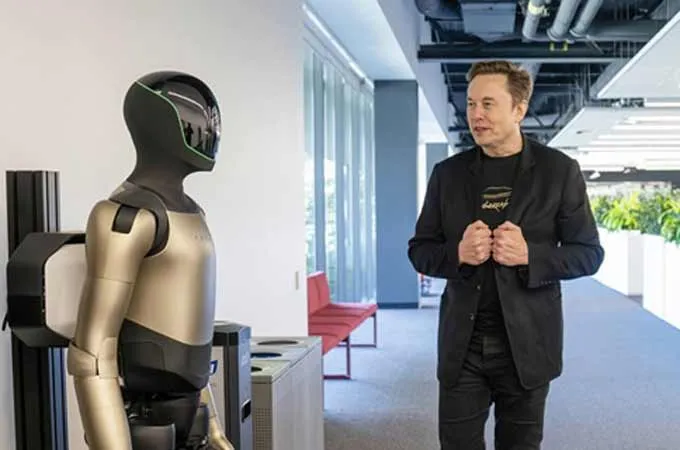
Elon Musk has become the world’s first trillionaire, a milestone that offers investors a glimpse into where the next generation of “extraordinary wealth creation is likely to emerge”, affirms Nigel Green, CEO of global financial advisory deVere Group.