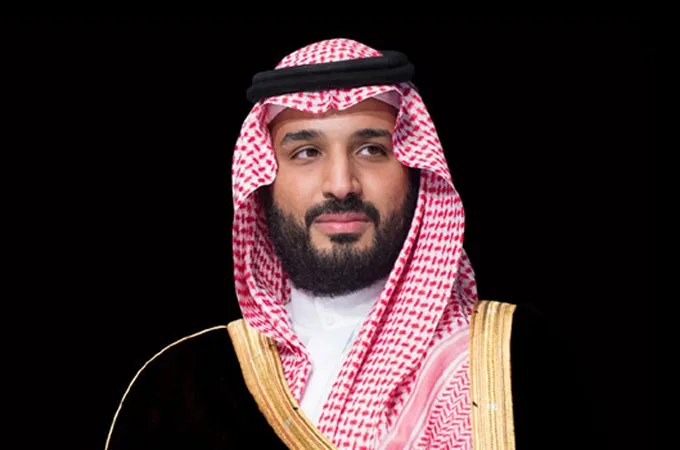
In a landmark move, the Saudi cabinet, chaired by HRH Crown Prince Mohammed bin Salman, has announced the cancellation of the fees imposed on expatriate labour in industrial facilities, reported SPA. This decision reflects the kingdom’s leadership's ongoing support for the industrial sector.
The automotive sector is heading for radical operational efficiency as a range of top automakers rapidly integrate advanced robotics into their assembly lines. By 2030, at least one automaker will achieve fully automated vehicle assembly, says Gartner in its new study.
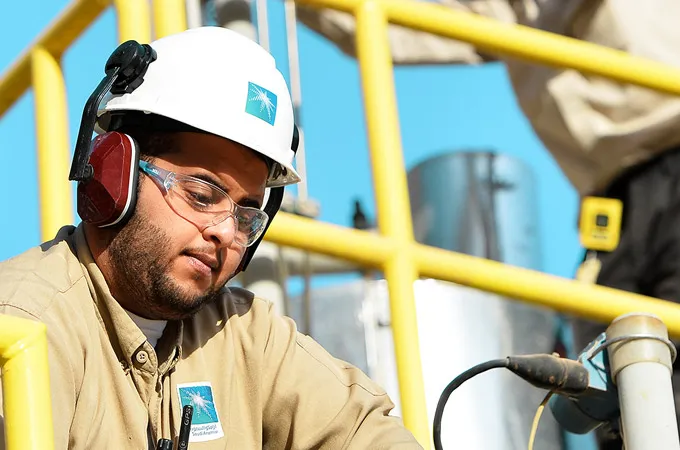
Saudi oil giant Aramco has announced 17 MoUs and agreements with a potential total value of more than $30 billion with major companies in the US, through its Aramco Group Companies. These are aimed at supporting Aramco’s strategic growth objectives while enhancing its shareholder value.
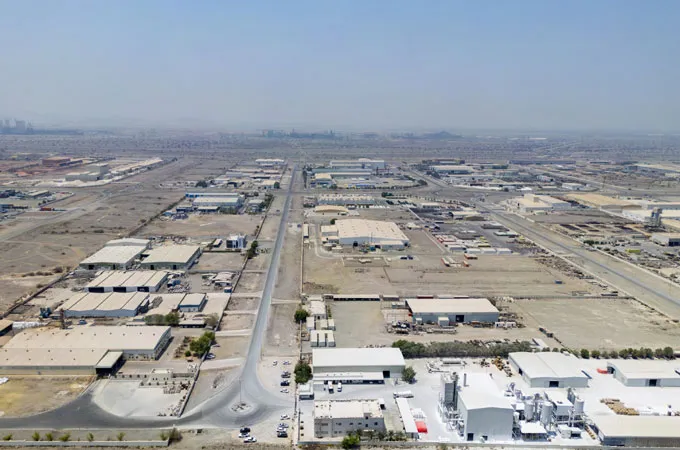
Oman's Public Establishment for Industrial Estates (Madayn) has announced that it has achieved remarkable growth across all performance indicators in the first half with its total cumulative investment volume surging to nearly RO7.8 billion ($20.2 billion), up 2% over last year.
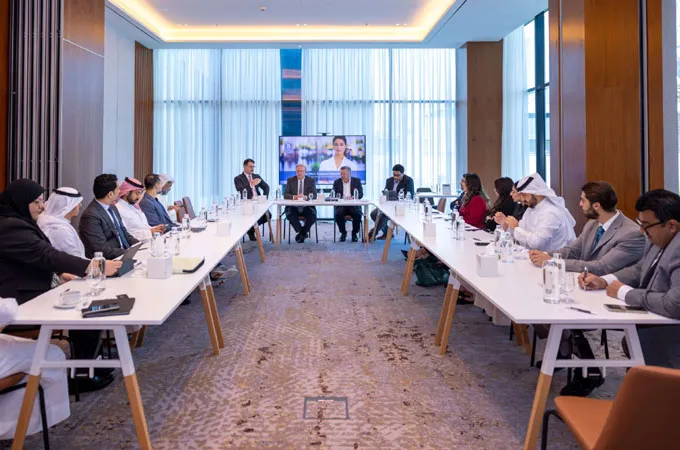
Global financial leaders discussed the future of investment strategies, financial governance and sustainable growth in a rapidly evolving global economy at an executive roundtable held in Manama. It was hosted by EMIC Training in collaboration with Bentley University.
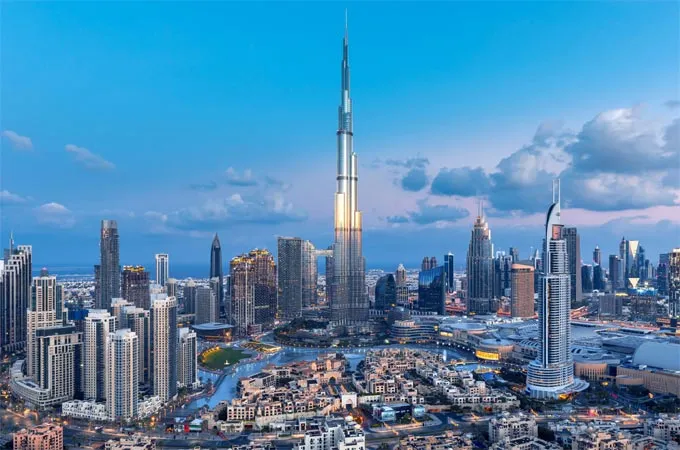
Dubai’s economy continued to maintain its strong upward momentum in the first half of 2025, with the emirate’s GDP growing 4.4 percent to reach AED241 billion ($65.62 billion) in the first half of the year. In the second quarter alone, Dubai’s GDP climbed 4.7 percent to AED122 billion ($33.22 billion).

Relentless optimism surrounding artificial intelligence (AI) continues to propel global markets, even as political and fiscal uncertainty dominates headlines in the United States, Europe, and the United Kingdom, according to a recent research note from Barclays.
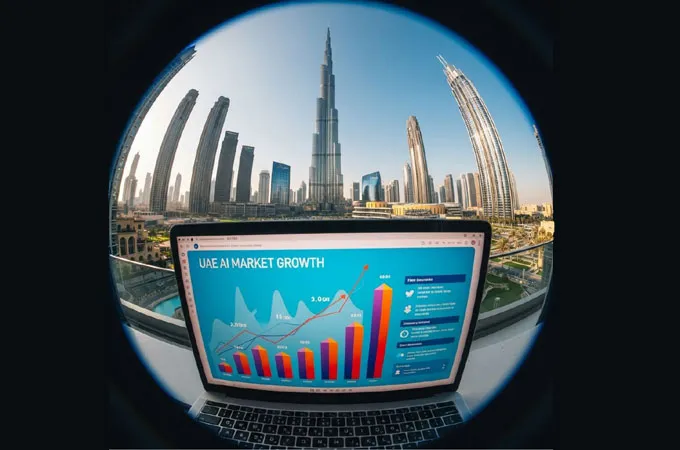
The Artificial Intelligence market in UAE is poised for solid growth over the next few years and is set to hit AED170 billion ($46.3 billion) by 2030, thanks to the backing from sovereign funds and policies like Strategic Plan 2031 leading the way, said a new report.

Amid a rapidly shifting global landscape defined by geopolitical uncertainty, climate change and tech disruption, Generative AI and innovation-led 'Engine 2' business models are emerging as major drivers of resilience across the region, says a new study.

Amid a rapidly shifting global landscape defined by geopolitical uncertainty, climate change and tech disruption, Generative AI and innovation-led 'Engine 2' business models are emerging as major drivers of resilience across the region, says a new study.