The year-on-year inflation in Organisation for Economic Co-operation and Development (OECD) countries declined to 4.2% in June, down from 4.6% in May, following three consecutive monthly increases, said a report. The headline inflation fell in 20 OECD countries, rose in 6, and was stable in 12. I

Organisation for Economic Co-operation and Development (OECD) countries tourist arrivals hit a record 847 million in 2025, up 3.4%. However, geopolitical tensions, climate events and cost pressures are creating uncertainty and shifting travellers toward cheaper, shorter, safer trips.
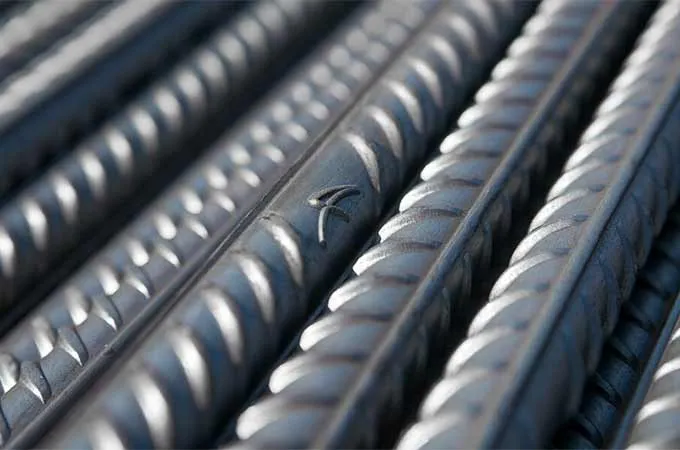
Global steel excess capacity continues to grow, driven by increasing subsidies in some major non-OECD steel-producing economies, while efforts to restore fair competition are increasingly undermined by circumvention of trade measures aimed at levelling the playing field, according to a new OECD report.
The Organization of the Petroleum Exporting Countries (OPEC) expects global oil demand to continue expanding this year and the next, supported by resilient economic growth, rising mobility and increased industrial activity across major emerging economies.
Inflation across the OECD, as measured by the Consumer Price Index (CPI), increased to 4 per cent in March 2026 from 3.4 per cent in February. The rise was primarily driven by a sharp increase in energy inflation.

Climate finance has continued to grow with developed countries providing and mobilising $132.8 billion in climate finance for developing countries in 2023 and $136.7 billion in 2024, according to new OECD data.
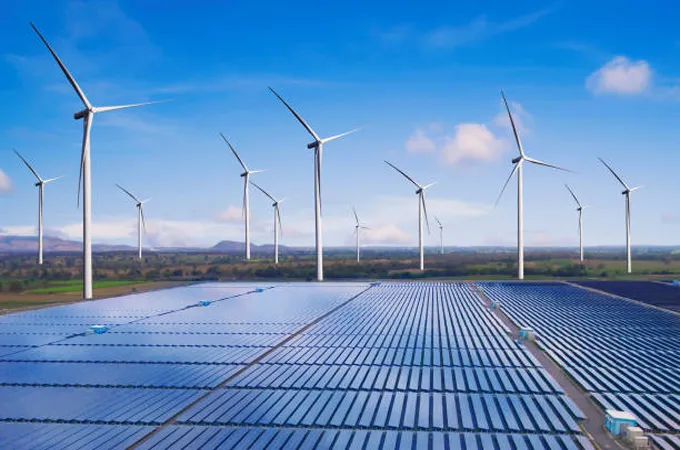
OECD net electricity generation reached 920.8 TWh in February 2026, up 0.8 per cent year-on-year. Fossil fuels supplied 45.4 per cent of output despite declining 4.7 per cent, while renewables contributed 37.8 per cent and nuclear power accounted for 15.7 per cent of generation.