The United States is set to unleash what Treasury Secretary Scott Bessent has described as an “economic D-Day” against Iran, threatening to sever the country’s remaining financial and commercial lifelines.

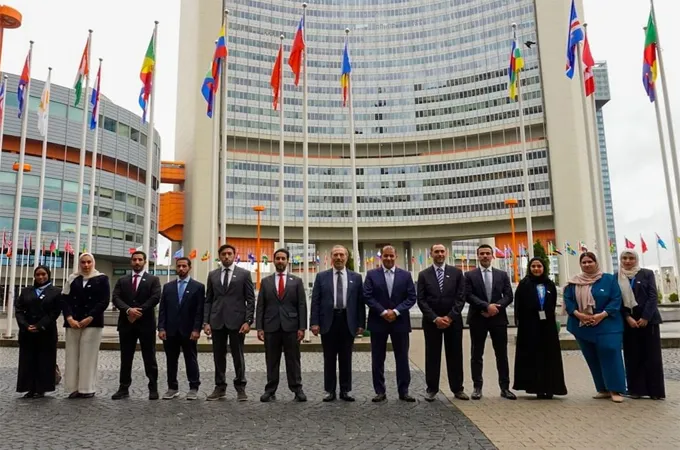
The Department of Energy – Abu Dhabi (DoE) has signed a series of Memoranda of Understanding (MoUs) with international regulatory, academic and technology partners during an official visit to the US, strengthening cooperation on the future of the emirate’s energy and water sectors.

As the world awaits details of a potentially punishing new round of US sanctions against Iran, Tehran has warned that it could shut the Strait of Hormuz and halt all oil shipments through the Arabian Gulf if neighbouring countries join President Donald Trump’s economic campaign against it.
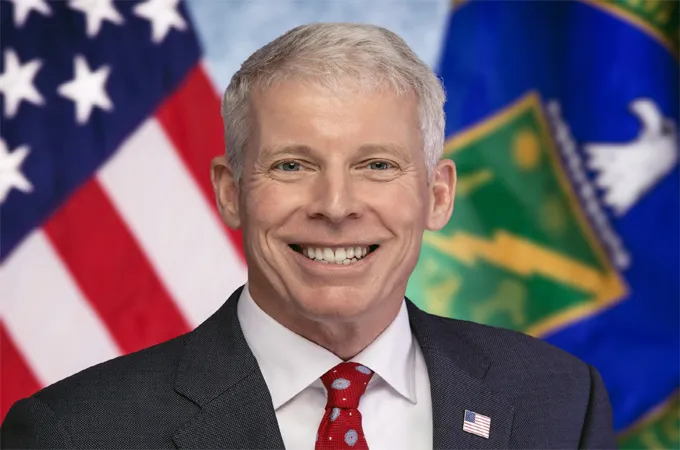
US Energy Secretary Chris Wright said the country has reached record levels of oil and gas production, reinforcing its position as the world’s largest energy producer.

Iran and China have pushed back against US President Donald Trump’s threat to impose what Washington says will be the “toughest sanctions in history” on Tehran, warning that unilateral economic pressure could further destabilise the region and damage global trade.

Oil prices remained near their highest level in more than three weeks on Friday as the deadlock over the Strait of Hormuz and a sharp escalation in US economic pressure on Iran raised fresh concerns about global energy supplies.

Uncertainty over the future of the Strait of Hormuz deepened on Saturday as the United States and Iran traded conflicting claims over control of the strategic waterway, while commercial shipping remained severely disrupted and fresh attacks added to mounting concerns over the security of Gulf trade.

Iran called on the US to accept defeat while President Donald Trump blasted Tehran as 'very evil' and told Americans to brace for continued high fuel prices as progress toward peace talks and oil tanker traffic through the strategic Strait of Hormuz gateway remained halted, said a report.
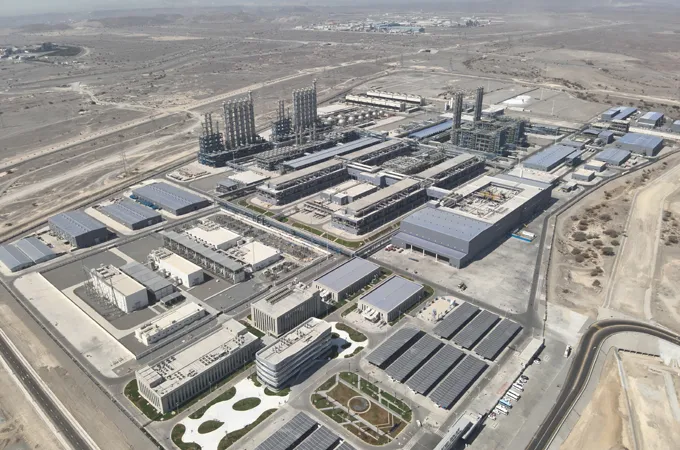
United Solar has welcomed new US measures to strengthen domestic polysilicon production and solar supply chains, including a $21-per-kg minimum import price for polysilicon and a 15 per cent duty on downstream derivatives, effective December 4, 2026.
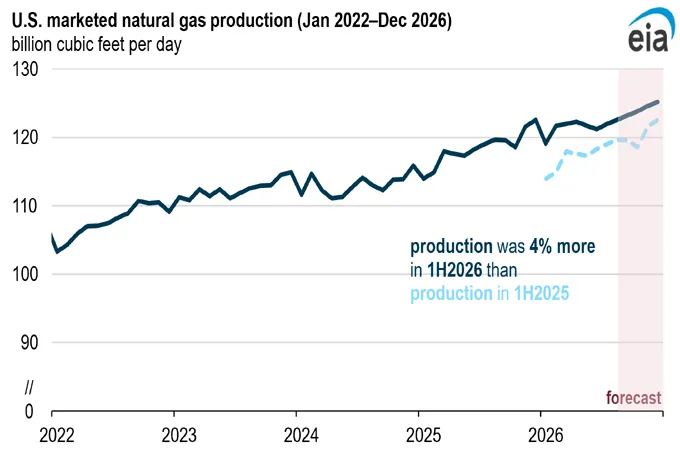
US marketed natural gas production is forecast to reach a record 122.5 billion cubic feet per day (Bcf/d) in 2026, surpassing the previous high of 118.5 Bcf/d set in 2025, according to the US Energy Information Administration’s (EIA) August Short-Term Energy Outlook.