Recent global shocks have spurred intensive energy policymaking, increasing focus on security, resilience and affordability, and boosting public spending, according to the IEA’s State of Energy Policy 2026 report reviewing global policy changes in 2025.

The International Energy Agency (IEA ) launched a policy tracker monitoring government responses to Middle East energy market impacts, detailing measures to conserve energy, protect consumers, and address supply disruptions and price volatility in oil, oil products, and LNG markets.

The Abu Dhabi Department of Energy (DoE) has launched the Solar (Photovoltaic) Energy Self-Supply Policy in Abu Dhabi, enabling customers to improve daytime electricity efficiency and increase reliance on clean and renewable energy sources through the adoption of smart and flexible energy-consumption solutions.
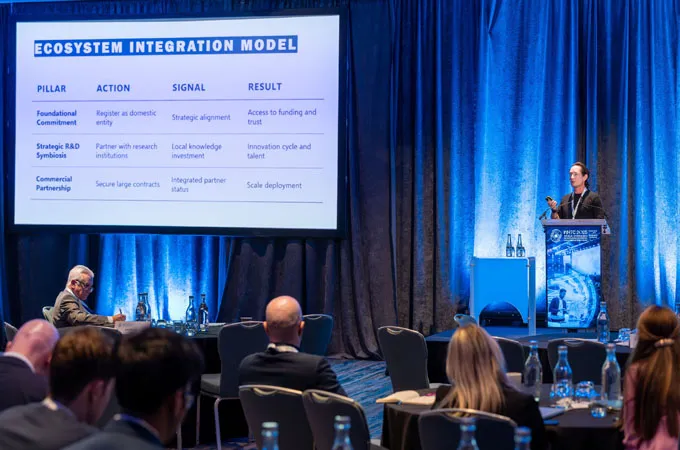
At the World Hydrogen Technologies Convention 2025, Ben Queisser, co-founder and CEO of Apex Ventures highlighted the GCC's potential in the hydrogen transition but noted policy stagnation hinders progress. He proposed a three-point blueprint to address challenges and facilitate large-scale hydrogen projects.

Sustainability Forum Middle East (SFME) concluded its fourth edition on a successful note in Bahrain following two days of high-level dialogue on energy transition, sustainable finance, and long-term competitiveness and climate transformation featuring more than 650 regional and global leaders.