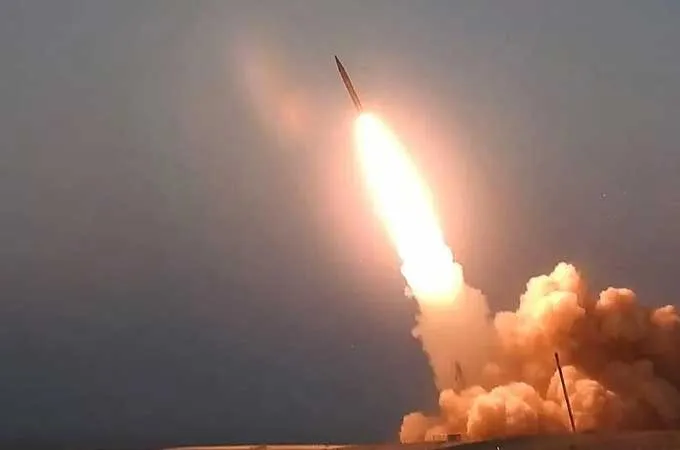
The Trump administration waived sanctions on the purchase of Iranian oil at sea for 30 days on Friday in its latest attempt to ease oil prices that have been driven up by the U.S.-Israeli war on Iran, reported Reuters. The waiver will bring some 140 million barrels of oil to global markets and help relieve pressure on energy supply, Treasury Secretary Scott Bessent posted on X.
The move reflects White House worries that the surge in oil prices after nearly three weeks of US and Israeli strikes on Iran will hurt US businesses and consumers ahead of the November midterm elections, when President Donald Trump's fellow Republicans hope to retain control of Congress.
The move marks a stunning reversal of longstanding American policy - and one with highly uncertain pay-off, reported BBC.
Oil and gas prices have risen sharply since the war began. The price of Brent crude oil is holding around $112 a barrel, up 53% on the past year. UK gas, which was trading at 80p per therm before the crisis, is now at around 151p per therm.
President Donald Trump, when asked about whether he would move forward with the idea, did not provide a clear answer, telling reporters on Thursday that "we will do whatever is necessary to keep the price".
India’s re-entry into Iranian oil trade
India, which stopped importing Iranian oil in 2019 due to US sanctions, could quickly resume purchases if the waiver conditions allow. Indian refiners are technically capable of processing Iranian grades, but shipping, insurance, payment mechanisms, and pricing will determine feasibility, reported the Times of India.
At its peak, Iranian crude accounted for about 11.5% of India’s imports, and any return could help ease its high import bill amid elevated global prices.
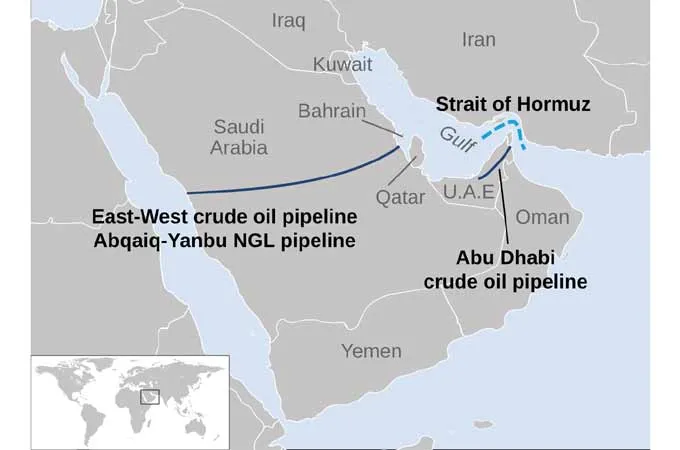
Bessent argued the waiver would redirect oil allegedly hoarded by China into global markets, expanding supply and undercutting Iran’s leverage over the Strait of Hormuz.
The administration has also eased restrictions on Russian oil as part of efforts to offset a supply crunch that has driven Brent crude near $120 per barrel. Analysts warn that despite the injection, disruptions from the conflict could keep prices volatile for months.
The Trump administration is coming up with these short-term fixes that may not have too much of an impact on prices on a sustained basis, so long as the critical maritime chokepoint of the Strait of Hormuz remains effectively closed and energy infrastructure in West Asia keeps coming under attack, reported the Indian Express.
Nonetheless, India could very well be among the major beneficiaries of this temporary sanctions waiver. Iran used to be a major oil supplier to India, but New Delhi stopped importing Iranian crude after the first Donald Trump administration imposed heavy sanctions on Tehran and ended sanction waivers to major buyers of Iranian crude.
However, the spokesperson of Iran’s oil ministry, Saman Ghodousi said that that Bessent is merely giving hope to buyers. “At present, Iran essentially has no crude oil left floating on water or surplus for supply in other international markets, and the statement by the US Treasury Secretary is merely aimed at giving hope to buyers and psychologically controlling the market,” he said in a post, originally in Persian, on X.
This policy shift less than a month after the US attacked Iran alongside Israel quickly drew outrage from political figures, national security analysts, and journalists.
"YOU HAVE GOT TO BE JOKING," former Rep. Adam Kinzinger (R-IL) told his social media followers. “We are lifting sanctions on IRAN. Tell me how this is going ‘as planned’ again please MAGA?”
Gov. Gavin Newsom’s official press account posted, “This is blood oil. Trump and Bessent have betrayed the American people and our soldiers.”
Matthew Miller, a former spokesperson at both the Department of Justice and State Department, wrote, “Unreal. The Trump administration is putting money directly in the hands of the regime currently shooting at American soldiers.”
Veteran foreign policy journalist Laura Rozen added in her own social media post: “We are in the upside down.”
Democratic strategist Mike Nellis argued that easing sanctions on a country “we’re actively at war with makes zero f-----g sense.”
“These people are clowns,” he added Friday.
Political scientist Norman Ornstein called the move “impossible to overstate how insane.” While MS Now national security contributor Marc Polymeropoulos, a retired CIA official, told his social media followers that the “optics of this are pretty bad.”
The licence, posted to the Treasury Department's website after market hours, says Iranian oil can be imported into the United States under the waiver when necessary to complete its sale or delivery.
The US has not meaningfully imported Iranian oil since Washington imposed measures after the 1979 revolution. It was unclear whether any Iranian oil would end up in the country as a result of the waiver, reported Reuters.
Cuba, North Korea and Crimea are among regions excluded from the license, which will remain in effect until April 19.
The move is expected to benefit Asia, the top buyer of Middle Eastern oil. Energy Secretary Chris Wright said supplies could get to Asia within three or four days and hit the market after being refined over the coming month and a half.
Independent Chinese refiners have been the main buyers of sanctioned Iranian oil, taking advantage of deep discounts as others avoided such purchases. India, South Korea, Japan, Italy, Greece, Taiwan and Turkey were also major buyers of Iranian crude before US sanctions were reimposed in 2018.
“India could emerge as a key demand centre to watch, alongside Chinese buyers and other Asian countries. Historically, India was a major buyer of Iranian crude, importing significant volumes of Iranian light and heavy (crude) grades due to strong refinery compatibility and favourable commercial terms. Following sanctions tightening in 2018, imports ceased from May 2019, with volumes replaced by Middle Eastern, US and other grades,” said Sumit Ritolia, lead research analyst, refining & modeling, at Kpler, a commodity market analytics firm.