Dubai's Roads and Transport Authority (RTA) has announced that 90% of the work has been completed on its smart bus station and is on track for completion by month-end. The key initiative forms part of RTA’s broader drive towards digital transformation and sustainability.
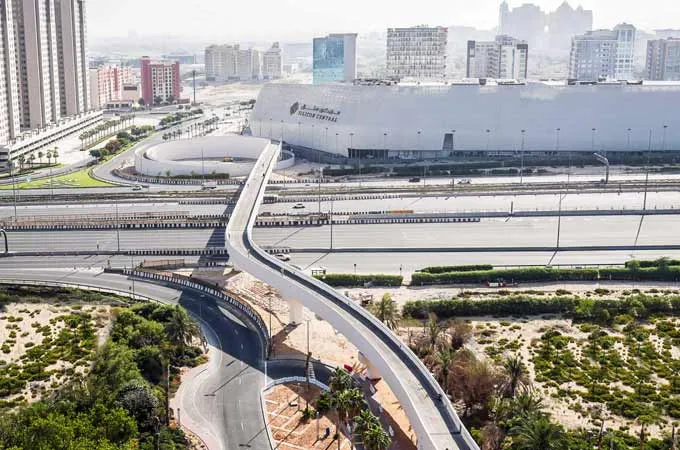
Located on Sheikh Zayed Road in Al Barsha 2, near Mall of the Emirates, the bus station features the full conversion of customer services into contactless, paperless digital services, integrated with the nol card and S’hail app to deliver a seamless mobility experience for passengers, reported Wam.
The key facility is also equipped with solar panels to reduce energy consumption, cameras powered by artificial intelligence for crowd management and violation detection, and smart sensors to monitor air quality.
The bus station also meets Leadership in Energy and Environmental Design Platinum standards (LEED Platinum), ensuring a comfortable, safe, and sustainable experience for customers.
"We are also keen to ensure that Dubai remains a leading global model in designing future cities and a pioneering platform for testing and implementing the latest technologies advancing mobility solutions," remarked HH Sheikh Hamdan bin Mohammed bin Rashid Al Maktoum, Crown Prince of Dubai, Deputy Prime Minister, Minister of Defence, and Chairman of the Executive Council of Dubai, after reviewing the specialised initiatives and projects being implemented by RTA.
"The initiatives implemented by the RTA reflect a firm commitment to enhancing the emirate’s future readiness and solidifying its position as a global capital of innovation and a premier destination for developing and implementing advanced solutions that serve humanity and support sustainable development," he added.
Sheikh Hamdan was later briefed by Mattar Al Tayer, Director-General, Chairman of RTA, on the details of the three initiatives and their objectives in enhancing the efficiency and sustainability of the mobility system.
As part of efforts to support sustainable mobility, Sheikh Hamdan reviewed the soft mobility parking facilities project, which aims to streamline the use of bicycles and electric scooters. The facilities feature modern designs that provide shade and protection from sunlight, scooter-charging capability, and smart systems for monitoring usage, while also creating advertising investment opportunities, said the Wam report.
Based on best practices adopted in leading global cities, soft mobility parking facilities have been introduced at public transport stations and major destinations to ensure seamless integration with the public transport network and to enhance first and last-mile journeys.
The project comes against a backdrop of notable growth in bicycle usage, which rose by 23%, bringing the total number of trips to 57.6 million in 2025.
A phased expansion plan has been developed, beginning with pilot operations at five locations in July 2026 and progressing to permanent operation in 2028.
Sheikh Hamdan said the variety of futuristic mass transit projects being witnessed today was not the outcome of infrastructure development priorities alone, but a comprehensive redefinition of the concept of urban mobility in keeping with the highest international standards.
"We operate with a clear vision based on innovation as a core principle and advanced technologies as a key tool for transforming lives and achieving leadership. We are committed to supporting and accelerating the adoption of smart and sustainable solutions, enhancing systemic efficiency, amplifying its developmental impact, and ensuring the highest quality of life for citizens, residents, and visitors,” he added.