A cargo ship was sunk off Oman and another vessel was reportedly seized near the United Arab Emirates and taken toward Iranian waters on Thursday, underscoring the continuing disruption to shipping through the Strait of Hormuz as diplomatic efforts to ease tensions showed little sign of success.
The latest incidents came as US President Donald Trump and Chinese President Xi Jinping met in Beijing to discuss a range of global issues, including the conflict involving Iran. Following the talks, a White House official said the two leaders agreed that the Strait of Hormuz must remain open and that Iran should never acquire nuclear weapons.
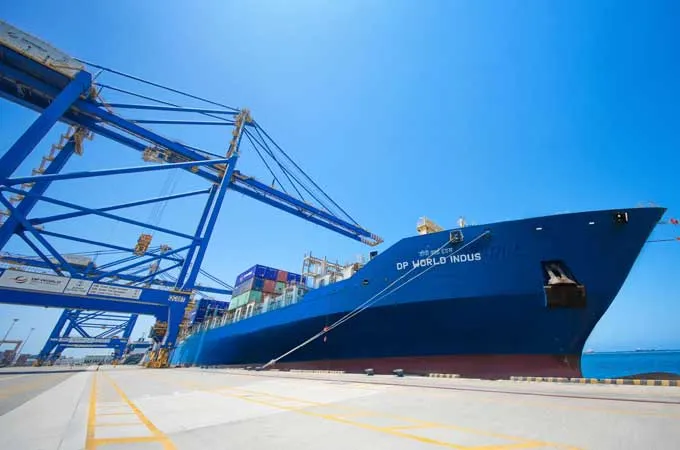
According to a report by Reuters, an Indian cargo vessel carrying livestock from Africa to the UAE was sunk in waters off Oman. India condemned the attack and said all 14 crew members were rescued by the Omani coastguard. British maritime security consultancy Vanguard said the vessel was believed to have been struck by a missile or drone, triggering an explosion.
In a separate incident, the United Kingdom Maritime Trade Operations (UKMTO) agency said "unauthorised personnel" boarded a ship anchored off Fujairah, the UAE's main oil export terminal outside the Strait of Hormuz, and were steering it toward Iran.
Vanguard said the vessel's security officer reported that it had been taken by Iranian personnel while at anchor.
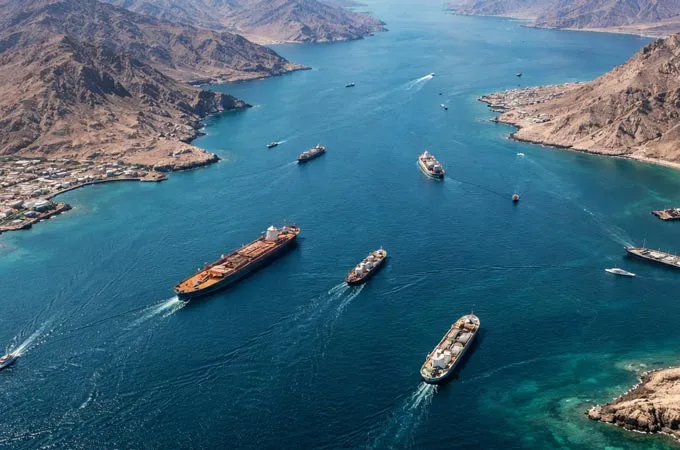
The incidents highlight the heightened risks facing commercial shipping in and around the Strait of Hormuz, a critical chokepoint for global oil and gas supplies.
Reuters reported that while Iran appears to be reaching arrangements with some countries to allow vessels to pass through the strait under certain conditions, traffic remains well below normal levels.
A Japanese tanker transited the waterway on Wednesday after Tokyo sought assistance from Iran's president, while Iran's semi-official Fars news agency said an agreement had been reached to permit some Chinese vessels to pass.
Iran's Revolutionary Guards said 30 ships had crossed the strait since Wednesday evening, though shipping analytics firm Kpler estimated that only around 10 vessels transited the waterway in the past 24 hours. Before the current crisis, about 140 ships typically passed through the strait each day.