A ceasefire agreement between Israel and Lebanon has raised hopes of a broader diplomatic breakthrough that could help bring an end to the ongoing US-Israeli conflict with Iran, even as conflicting signals emerged over the state of negotiations between Washington and Tehran.
The Trump administration announced on Wednesday that Israel and Lebanon had agreed to implement a ceasefire, contingent on a halt to Hezbollah attacks and the withdrawal of Hezbollah operatives from southern Lebanon. The development addresses one of Tehran's longstanding conditions for any wider settlement involving Iran.
Iran has repeatedly insisted that any agreement to end hostilities must also include Lebanon. Tehran has maintained that the conflict involving Hezbollah and Israel is inseparable from the wider regional confrontation.
"We hold the same position regarding a ceasefire, and the same position regarding ending the war," Iranian Foreign Minister Abbas Araghchi said in an interview with Arab broadcaster Al Mayadeen, according to remarks shared by Iran's Foreign Ministry.
Araghchi has previously stated that the US-Israel war with Iran would only end "when it also ends in Lebanon," making the ceasefire announcement a potentially significant step in ongoing diplomatic efforts.
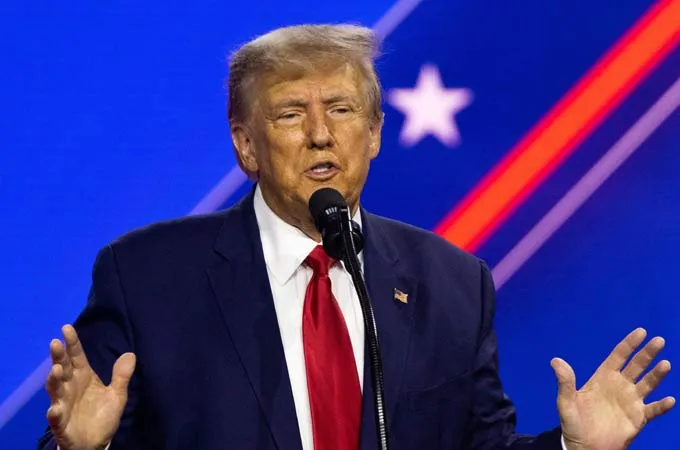
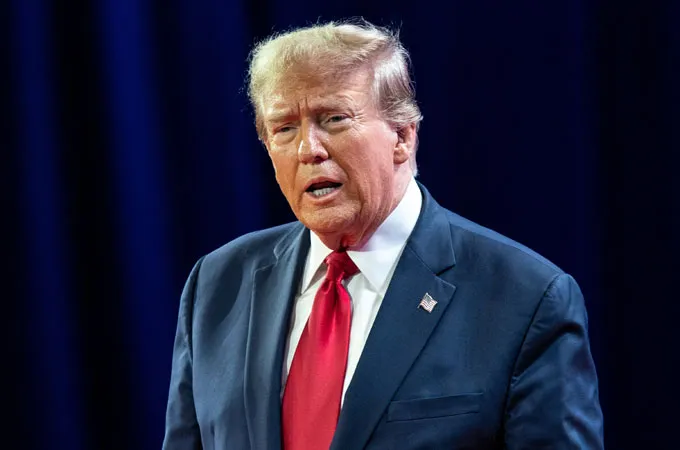
However, uncertainty continues to surround negotiations between Washington and Tehran. US President Donald Trump struck an optimistic tone, saying talks with Iran had gone "very well" and were continuing at a rapid pace.
Iran, however, offered a markedly different assessment. Araghchi said there had been no "significant process" in recent days, highlighting the gap between the two sides' public messaging and raising questions about how close they are to a broader agreement.
Adding to the political pressure surrounding the conflict, the US House of Representatives passed a resolution seeking to limit Trump's war powers in relation to Iran. Four Republican lawmakers joined Democrats in backing the measure, delivering a rare bipartisan rebuke of the administration's handling of the conflict. While the resolution is largely symbolic and unlikely to alter policy, the vote reflected growing concerns in Congress over the war's trajectory.
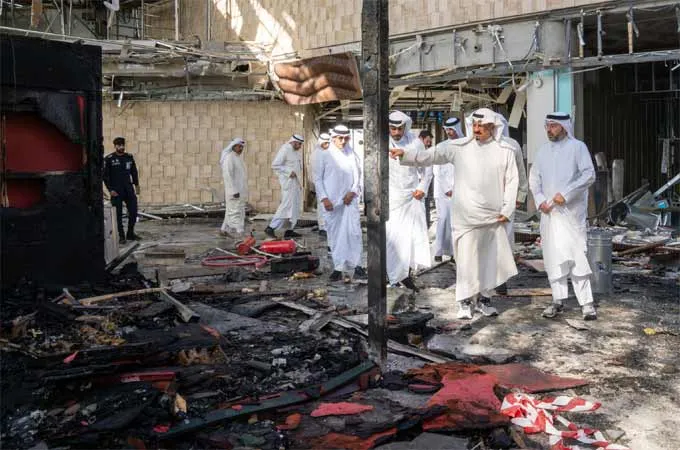
Meanwhile, tensions remained high across the Gulf following an Iranian drone and missile attack on Kuwait earlier this week.
Kuwait Airways and Jazeera Airways resumed operations from Kuwait International Airport after authorities implemented additional safety measures, according to the country's civil aviation authority.
Flights had been suspended after the attack damaged airport facilities and diplomatic missions, killing one person and injuring more than 63 others, according to Kuwaiti authorities and state media.
Responsibility for the damage remains disputed. Iran's Islamic Revolutionary Guard Corps denied targeting Kuwait International Airport, with Iranian state media reporting that the destruction was caused by US interceptor missiles that failed to strike their intended targets.
The US military rejected that account, stating that Iranian drones had deliberately targeted the airport.
The attack marked one of the most serious spillovers of the conflict into Gulf states and underscored the risks facing regional infrastructure even as diplomatic efforts continue. The announcement of an Israel-Lebanon ceasefire may ease one major point of contention, but mixed messages from Washington and Tehran suggest that a comprehensive agreement to end the wider conflict remains uncertain.