Iran is expected to respond on Thursday to a US proposal aimed at ending the conflict and establishing a framework for broader nuclear negotiations, according to media reports, as diplomatic efforts intensified amid continuing tensions in the Gulf.
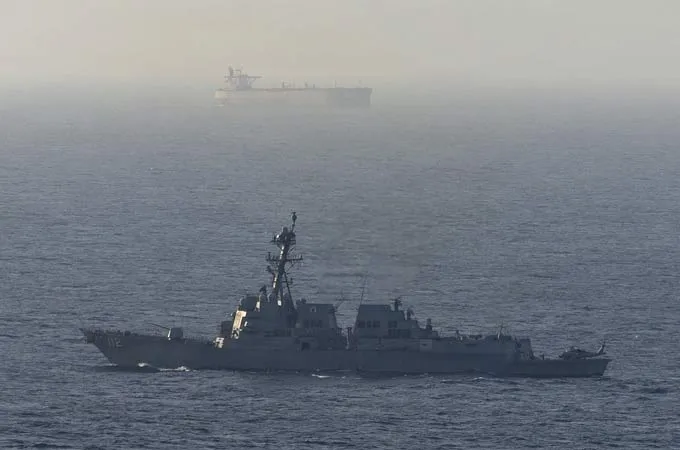
The US authorities believe they are nearing an agreement with Iran on a one-page memorandum of understanding aimed at ending the ongoing conflict and establishing a framework for more detailed nuclear negotiations, said an Axios report.
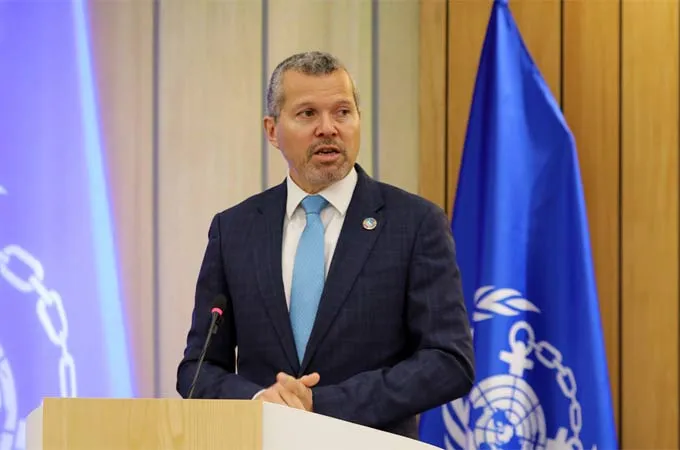
Around 20,000 seafarers remain trapped and unable to leave in and around the Strait of Hormuz, said International Maritime Organization (IMO) Secretary-General Arsenio Dominguez.

US President Donald Trump said on Sunday he had informed his representatives not to rush into a deal with Iran dashing earlier hopes that an agreement was imminent.

US President Donald Trump said on Saturday that a broader agreement between the United States and Iran had been “largely negotiated” and that the Strait of Hormuz would be reopened, signalling potential momentum toward ending the monthslong conflict.

US President Donald Trump on Sunday rejected Iran’s response to a US peace proposal as “totally unacceptable,” dealing a fresh blow to efforts to end the conflict and raising the risk of renewed instability in the Gulf, where shipping through the Strait of Hormuz remains severely disrupted.
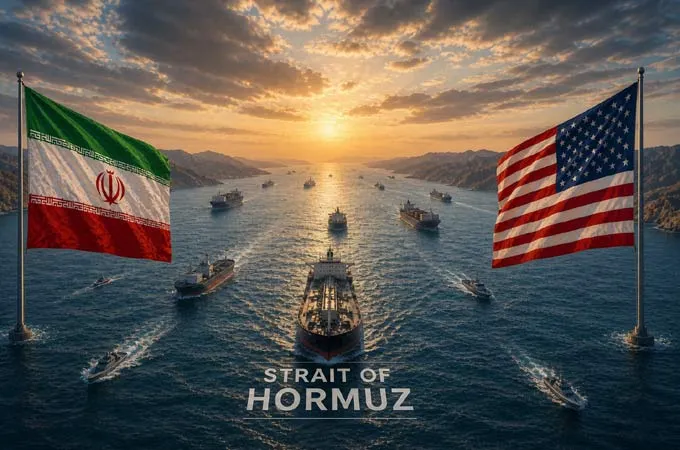
Iran has formally presented to Pakistani mediators its response to the latest US proposal aimed at ending the war, a source familiar with the matter confirmed on Sunday.
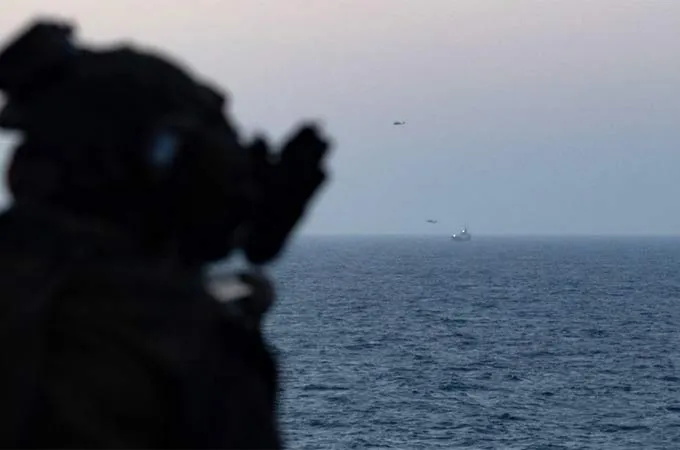
Oil prices extended their rally on Friday as geopolitical tensions around Strait of Hormuz remained unresolved, with both Iran and the United States showing no signs of de-escalation.

US President Donald Trump has hailed the ceasefire agreement between the US and Iran as a big day for world peace and said there is an opportunity to make big money.

US President Donald Trump said he had agreed to a two-week ceasefire with Iran on Tuesday on the condition that Iran agrees to reopen the critical Strait of Hormuz, while Iran’s supreme leader has instructed all military units to stop firing.