Crude oil prices surged for a fourth consecutive session on Wednesday, with Brent approaching the psychologically important $100-a-barrel threshold as a fresh escalation in the US-Iran conflict heightened fears of prolonged disruptions to oil supplies from the Gulf.
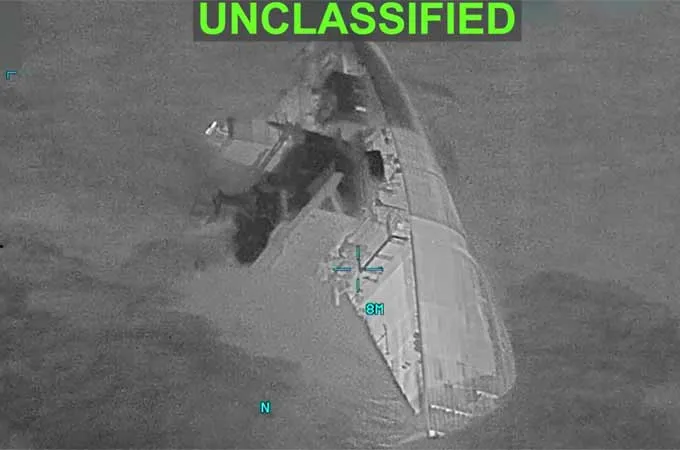
Iran has warned that any further US attack will trigger a “faster, heavier and more painful” response, as Tehran said it will impose tighter control over shipping around the Strait of Hormuz following the latest US strikes on Iranian oil tankers.
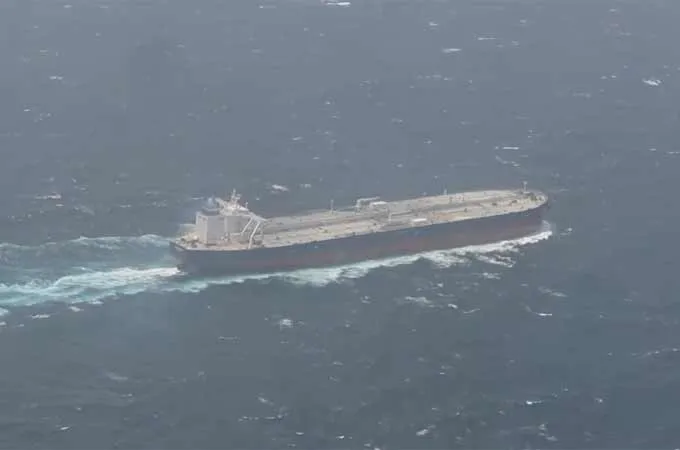
The US military escorted 40 commercial vessels carrying about 18 million barrels of oil through the Strait of Hormuz on Tuesday, a wartime record, as Washington and Tehran traded their heaviest blows in weeks, CNN reported, citing two US officials familiar with the operation.

The global economy has proved more resilient than expected in the face of the energy supply shock triggered by the conflict in the Gulf, with global growth for 2026 holding at around 3%, International Monetary Fund Managing Director Kristalina Georgieva said.
The Saudi Ministry of Foreign Affairs has condemned Iran's targeting of the Saudi tanker Sidr while it was transiting the Strait of Hormuz, which resulted in fatalities among the crew.

Iran and Oman have moved closer to an agreement on reopening the Strait of Hormuz to commercial shipping, with both sides agreeing on the geographical coordinates of a proposed safe navigation corridor, even as conflicting messages over possible US-Iran negotiations continue to cloud prospects for a broader diplomatic breakthrough.

Oil prices remained under pressure on Tuesday after suffering steep losses over the previous two sessions, as growing optimism over a potential breakthrough in US-Iran diplomacy raised hopes that the Strait of Hormuz could soon be reopened to normal shipping, easing fears of disruptions to global crude supplies.

Oil prices recovered on Tuesday after suffering their steepest one-day decline in weeks, as persistent concerns over potential supply disruptions in the Middle East outweighed optimism that diplomatic efforts could quickly end the five-month-old conflict between the United States and Iran.

A fresh attack on a commercial vessel near the Strait of Hormuz and the diversion of Saudi-operated tankers away from the Red Sea underscored mounting risks to global energy supplies on Tuesday, even as the US and Iran issued conflicting statements over the status of negotiations.

Oil prices fell sharply on Monday after US President Donald Trump suspended plans for military strikes against Iran and announced that negotiations with Tehran would resume, raising hopes of reducing the risk of disruptions to global crude supplies.