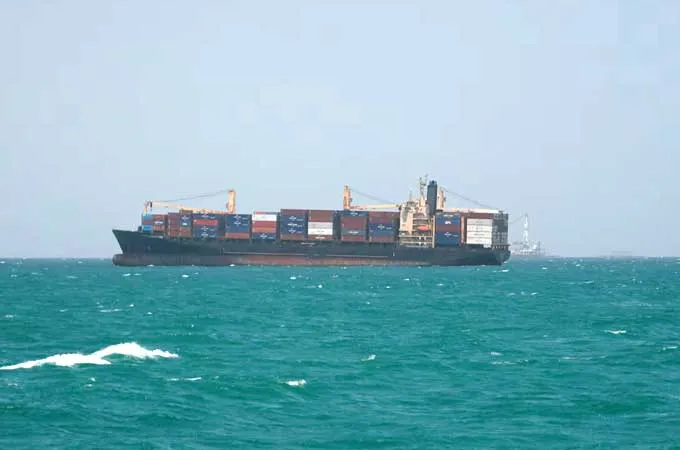
There is uncertainty over the duration of the Middle East conflict and related transit disruption, but the closure of Hormuz will raise chemical production costs and prices and disrupt global supply chains.
Large volumes of chemicals, plastics and fertilisers are typically shipped through the waterway. Europe and Asia usually meet 10%-20% of their polyethylene and polypropylene needs from Middle East imports. The Gulf region also produces about a third of globally traded nitrogen fertilisers, according to top ratings agency Fitch.
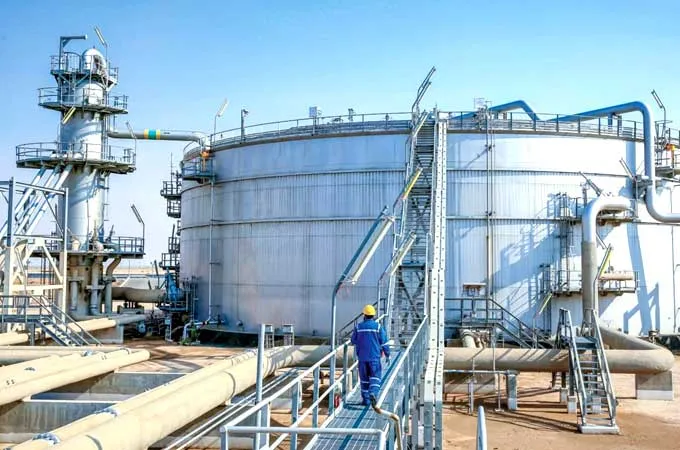
The conflict also restricts the supply of key feedstocks for chemical production, such as naphtha, liquefied petroleum gases, sulphur and methanol.
This will likely lead to force majeure announcements and production curtailments, especially in Asia due to a high reliance on feedstock from the Middle East. This will also drive global cost inflation, particularly for naphtha-based chemical capacity, it stated.
"Prolonged closure of the Strait of Hormuz, lasting significantly longer than one month, would negatively affect global chemical production, with Middle Eastern and Asian producers most affected," said Guillaume Daguerre, Senior Director at Fitch Ratings.
Lower production could aid global chemical margins for producers less affected by the Middle East conflict if it were to reduce the oversupply that has challenged sector profitability since 2023.
This oversupply is a key driver of Fitch’s ‘deteriorating’ outlook for the global chemicals sector for 2026. However, the overall effect of the conflict on chemicals margins will also depend on its impact on global demand, which will likely weaken significantly if Hormuz remains closed and global energy prices remain high for several months.
The ability of chemical companies to maintain production and to swiftly pass cost inflation through to customers will be key to preserving cash flows, in an environment where many already have high leverage, stated Daguerre.
Chemicals producers around the Persian Gulf face lower sales volumes, given their export-based business models and their less efficient alternatives to shipping product through Hormuz.
Fitch estimates that the vast majority of Ma’aden’s (BBB+/Stable) assets and about 70% of Sabic’s (A+/Stable) are domestic, and about a third of Fertiglobe’s (BBB/Stable) capacity is in Abu Dhabi.
Companies may be able to find alternative export routes, for example from the Saudi Arabia’s West coast or transiting through Oman, although they would likely face higher costs and some congestion, especially at ports.
There is also a risk that these alternative routes could be affected by attacks by Iran and its proxies, it stated.
Increased energy costs are likely to raise production costs in gas import-reliant regions such as Europe and Asia, adding to profitability challenges linked to oversupply.
Several ex-China chemicals producers have already declared force majeure. Chinese producers may be better positioned to handle the disruption, especially state-owned producers, given China’s large strategic oil reserves and access to Russian oil.
Meanwhile, US chemicals producers’ competitive advantage may strengthen in the near term, as their production relies primarily on natural gas and natural gas liquids, and domestic US gas prices are less sensitive to changes in the global price of traded LNG.
"We expect a neutral short-term effect from the Iran conflict on Latin American chemicals producers due to more favourable reference margins under a scenario of a more constrained supply from Asia. However, if the conflict continues for several months, they would be negatively affected by higher feedstock prices and weaker demand in key end-markets.
Fitch’s analysis of a downside conflict scenario, including a three-month closure of the Strait of Hormuz, followed by a gradual reopening, indicates potentially material threats to chemical sector issuer credit profiles in Europe, GCC states and APAC, with some threats to those in Latin America. The impact on North American issuers is neutral to limited, it added.-TradeArabia News Service