
John Crane has developed a validated drivetrain analysis method improving prediction accuracy for rotating equipment, reducing failure risk, downtime and vibration issues through dynamic modelling, testing and real-world data across oil, gas, LNG and power sectors.

Oil prices further declined on Wednesday, extending the previous session's losses following the US-Iran interim peace deal which is expected to allow free passage for vessels through Strait of Hormuz.
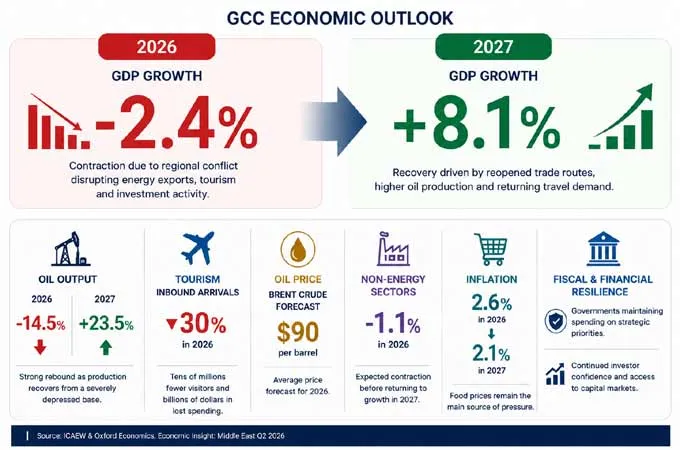
The GDP of GCC states is forecast to grow by 8.1% in 2027 as energy trade routes normalise, travel demand returns, and business confidence rebuilds, says a report.
Oil prices extended their decline on Tuesday, although they initially staged a modest recovery after plunging nearly 5% in the previous session following reports of a breakthrough agreement between the United States and Iran.

Saudi Arabia and South Korea signed an MoU to expand oil and gas cooperation, covering petroleum, petrochemicals, crude storage, pipeline infrastructure, technology, and sustainability initiatives, as the two countries seek to strengthen energy security and investment ties.

SLB has signed a long-term framework agreement with Petróleos de Venezuela (PDVSA) to modernise the oil and gas sector, covering exploration, production, digital enablement, and workforce training, strengthening cooperation in field development and operational efficiency.
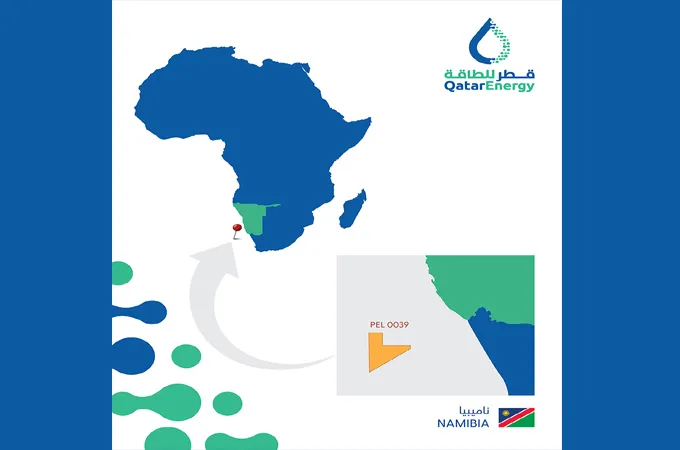
QatarEnergy announced an oil discovery with encouraging results from the Merlin-1X exploration well in the Petroleum Exploration License 39 (PEL 0039), offshore Namibia.

Global air cargo volumes rebounded in the first week of June as airlines restored capacity following disruptions caused by a convergence of public holidays in Europe (Pentecost), US (Memorial Day) and Eid Al Adha festival affecting notably Middle East & South Asia and Africa origin regions.

Freudenberg Group has expanded its energy portfolio by acquiring Balmoral Comtec, strengthening its Flow Technologies business in sealing and connector systems for global energy markets spanning offshore oil, gas and renewables industries worldwide.

Global oil prices declined during Friday's trading session, reaching their lowest levels since early March. Kuwait's crude oil too fell by 6.1% to $94.84 per barrel on Friday, down from $101.04 per barrel the previous day, according to data from Kuwait Petroleum Corporation (KPC).